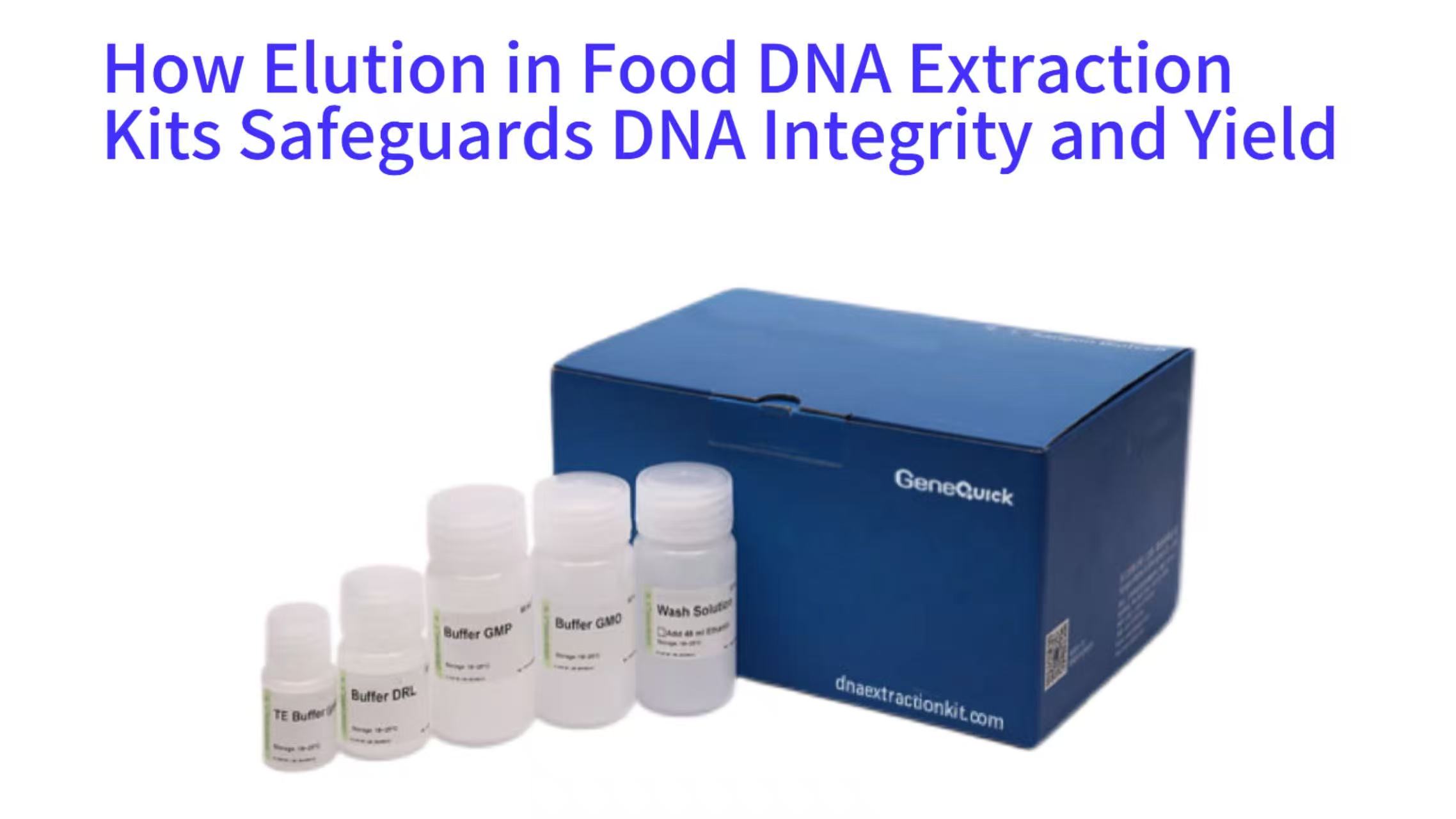
In the intricate process of isolating DNA from complex food matrices using a Food DNA Extraction Kit, every step is a battle against degradation and inhibitors. While cell lysis and washing are often the focus, the final elution step is the decisive moment that determines the success of the entire procedure. This article provides a comprehensive, expert analysis of how the elution step in a modern Food DNA Extraction Kit is scientifically engineered to preserve the structural integrity and maximize the concentration of extracted DNA. We will dissect the biochemistry behind elution buffers, explore the operational parameters that influence outcomes, and examine how this carefully orchestrated final act ensures the genetic material is perfectly poised for demanding downstream applications, from authenticity testing to next-generation sequencing. Understanding this pivotal phase is essential for any laboratory aiming to achieve reliable, reproducible, and high-quality results in food molecular analysis.
Core Elution Workflow in a Food DNA Extraction Kit
Buffer Preparation
Matrix Incubation
DNA Desorption
Collection & QC
The Biochemical Foundation of the Elution Buffer in a Food DNA Extraction Kit
Elution Buffer Formulation Comparison in Food DNA Kits
| Buffer Type | Ionic Strength | pH Range | Key Additives | Primary Food Application |
|---|---|---|---|---|
| Nuclease-Free Water | Very Low | 5.5-7.0 | None | qPCR for Allergen Detection |
| TE Buffer (10/1) | Low | 8.0-8.5 | Tris, EDTA | GMO Testing & Species ID |
| Specialized Plant Buffer | Low-Medium | 8.5-9.0 | Tris, EDTA, PVP | Grain & Vegetable Analysis |
DNA Yield by Elution Buffer Temperature in Food Kits
25°C (RT)
55°C
70°C
Relative Yield (%)
Temperature
Molecular Mechanism of DNA Release in Food DNA Kits
The elution buffer within a Food DNA Extraction Kit is not merely water; it is a precisely formulated solution whose chemistry is central to the release and stabilization of purified DNA. Its primary function is to disrupt the bonds holding the DNA to the solid-phase purification matrix, whether it is the silica membrane of a spin column or the surface of magnetic beads. This disruption is achieved by altering the local chemical environment. The ionic strength of the buffer is carefully reduced compared to the wash buffers, often by using a low-salt or salt-free solution. This change decreases the competition for binding sites, weakening the electrostatic and hydrophobic interactions that anchor the DNA to the silica. Simultaneously, the pH of a high-performance elution buffer is typically slightly alkaline, commonly between 8.0 and 8.5. This pH range is critical as it helps to solubilize the DNA efficiently and creates a stable environment that minimizes acid-mediated depurination, a chemical reaction that can lead to strand breakage and compromise DNA integrity for long-fragment analysis required in food authenticity studies.
Beyond simple salt and pH adjustments, advanced elution buffers in a Food DNA Extraction Kit may contain additional stabilizing agents. These can include chelating agents to sequester residual metal ions that might catalyze degradation, or mild detergents to keep the DNA in solution and prevent it from adhering to tube walls. The temperature of the elution buffer itself is a variable under the user's control that significantly impacts yield. Applying the buffer pre-warmed to 55-70°C increases the kinetic energy of molecules, enhancing the efficiency of DNA desorption from the binding matrix. Studies focused on food analysis have shown that using a pre-heated elution buffer can increase final DNA concentration by 20% to 50% compared to using buffer at room temperature, especially for high-molecular-weight DNA from fresh produce or meat samples. However, this must be balanced against the risk of increased heat-induced damage if the temperature is excessive or the incubation time too long, highlighting the need for protocol optimization specific to the food matrix.
Molecular Mechanisms of DNA Release from Silica in Food Kits
The binding of DNA to silica surfaces in the presence of chaotropic salts is a well-understood phenomenon central to many Food DNA Extraction Kits. The elution process effectively reverses this binding. Chaotropic salts, which are abundant in binding and wash buffers, disrupt the hydrogen-bonding network of water, making hydrophobic interactions more favorable and allowing DNA to adsorb to the silica. During elution, the introduction of a low-ionic-strength aqueous buffer, such as Tris-EDTA (TE) or nuclease-free water, restores the water structure. This rehydration of the silica surface and the DNA molecule drastically reduces the hydrophobic driving force for binding. The negatively charged phosphate backbone of the DNA and the slightly negatively charged silica surface then experience electrostatic repulsion in the low-salt environment, further encouraging the DNA to dissociate and enter the free solution. The efficiency of this release is not absolute; a fraction of DNA, particularly shorter fragments common in processed foods, may remain bound, which is why some protocols recommend a second elution step to maximize recovery from challenging samples.
The Critical Role of pH in Preserving Nucleic Acid Structure for Food Analysis
The alkaline pH of a standard elution buffer in a Food DNA Extraction Kit serves a dual protective purpose. First, it ensures the DNA remains fully deprotonated and negatively charged along its phosphate backbone. This maximizes its solubility in the aqueous solution, preventing aggregation and precipitation which would lead to inaccurate concentration measurements and pipetting errors in downstream steps like PCR setup for species identification. Second, and more critically, it steers the chemical environment away from acidic conditions. At low pH, the glycosidic bond linking purine bases (adenine and guanine) to the deoxyribose sugar becomes labile in a process called depurination. The resulting apurinic sites are alkali-labile, meaning they readily break when exposed to the slightly basic conditions of common laboratory buffers or during thermal cycling in PCR. By eluting into a buffer at pH 8.0-8.5, the DNA is immediately placed into a state that minimizes the initiation of this damaging cascade, thereby preserving the intactness of the double helix, which is vital for applications like long-range PCR or the preparation of sequencing libraries for tracking foodborne pathogens.
Optimizing Elution Volume for Concentration and Recovery in Food Testing
A fundamental trade-off exists in the elution step between the concentration of the final DNA solution and the total yield recovered from the purification column or beads of a Food DNA Extraction Kit. Eluting with a smaller volume of buffer, for instance 30 µL instead of 100 µL, will result in a more concentrated DNA solution. This is often desirable for downstream applications that require a high DNA input in a small volume, such as some real-time PCR assays used for GMO quantification. However, using a very small elution volume may not fully cover the binding matrix or efficiently redissolve all the DNA, leading to a lower overall percentage of the bound DNA being recovered. Conversely, a larger elution volume will typically increase the total yield by ensuring more complete hydration and release of the DNA, but it produces a more dilute sample. The optimal volume is therefore a balance dictated by the specific downstream application's requirements and the initial amount of sample material. For trace-level analysis in food authenticity testing, such as verifying meat species in complex products, maximizing yield might be prioritized, even if it requires a subsequent concentration step.
Operational Parameters and User-Controlled Variables in Food DNA Kit Elution
Impact of Operational Parameters on Elution in Food Kits
| Parameter | Optimal Range for Food Samples | Effect of Deviation | Criticality |
|---|---|---|---|
| Incubation Time | 1-5 mins (RT) 1-2 mins (55°C) | ↓ Time = ↓ Yield ↑ Time = No Gain | High |
| Dry Spin Time | 2-3 mins (13,000 x g) | ↓ Time = Ethanol
Carryover ↑ Time = Membrane Drying | Critical |
| Elution Volume | 30-100 µL | ↓ Volume = ↑ Concentration / ↓ Yield ↑ Volume = ↓ Concentration / ↑ Yield | Application-Dependent |
Two-Step Elution Strategy for Maximum Yield in Food Kits
30-50 µL pre-warmed buffer (55-70°C)
Incubate 2 mins → Collect (High Concentration Fraction)
30-50 µL fresh pre-warmed buffer
Incubate 2 mins → Collect (Remaining DNA Fraction)
Combine fractions for maximum total yield (10-20% increase)
Theoretical buffer composition sets the stage, but the practical execution of the elution step determines the final result when using a Food DNA Extraction Kit. Several key parameters are under the direct control of the laboratory technician, and understanding their impact is crucial for consistent performance across diverse food matrices. The incubation time after adding the elution buffer to the purification matrix is a critical variable often underestimated. This static period allows for diffusion and equilibration, giving the buffer time to penetrate the matrix and the DNA time to dissociate from its binding sites. For standard spin-column protocols in food kits, a one-to-two-minute incubation at room temperature is typical, but for particularly challenging bound DNA from high-fat or high-polysaccharide samples, or when using room-temperature buffer, extending this to five minutes can measurably improve yield without compromising integrity.
Another vital consideration in a Food DNA Extraction Kit protocol is ensuring the purification matrix is adequately dry before elution. Residual ethanol from the final wash step is a potent inhibitor of many downstream enzymatic reactions, including PCR. If ethanol is not completely removed, it will carry over into the eluate, severely affecting subsequent analyses such as allergen detection or species identification. For spin columns, this requires a full-speed centrifugation step for a sufficient duration after the final wash to evaporate any leftover ethanol. For magnetic bead protocols, careful aspiration of the final wash supernatant is essential. However, over-drying, especially of silica membranes, can be detrimental. Excessive drying can make the DNA bind too tightly to the silica, a state often described as irreversible binding, leading to dramatic drops in elution efficiency and yield. The art lies in achieving the perfect balance between complete ethanol removal and avoiding desiccation.
The Impact of Incubation Time and Temperature on Food DNA Recovery
Temperature and time are interdependent variables that directly influence the kinetics of DNA elution in a Food DNA Extraction Kit. Increasing the temperature of the elution buffer, as mentioned, enhances yield by providing the energy needed to overcome the binding forces. The common practice of using a heating block or thermoshaker set to 55-70°C is grounded in this principle. However, the incubation time at this elevated temperature must be optimized for food samples. A short incubation of one to two minutes is often sufficient for high-yield recovery from fresh produce or raw meat. For compromised samples, such as those from FFPE food samples used in research or heavily processed goods where DNA-protein cross-links are prevalent, a longer incubation of up to ten minutes may be beneficial to fully resolubilize the genetic material. It is important to note that prolonged exposure to high heat can begin to fragment DNA, so protocols should be validated for the specific food type being analyzed.
The Strategy of Sequential Elution for Maximum Yield in Food Authenticity Testing
To navigate the concentration-yield trade-off, many expert users of Food DNA Extraction Kits employ a sequential or two-step elution strategy. In this approach, a first, small-volume elution is performed to recover a highly concentrated fraction of the DNA. This eluate is collected and set aside. Immediately following, a second elution with another small volume of fresh buffer is performed on the same column or beads. This second elution captures the remaining DNA that was not released in the first pass, which can be a significant portion, especially from complex matrices like chocolate or infant formula. The two eluates can then be combined for maximum total yield, or kept separate if the first, purer fraction is sufficient for the intended analysis. This technique is particularly valuable when working with limited starting material, such as in forensic analysis of food fraud or when extracting DNA from single seeds in grain quality control programs, ensuring no precious genetic material is left behind and maximizing the sensitivity of subsequent PCR tests.
Elution Dynamics Across Different Food DNA Extraction Kit Platforms
Spin-Column vs Magnetic Bead Elution in Food DNA Kits
| Characteristic | Spin-Column Food Kits | Magnetic Bead Food Kits |
|---|---|---|
| Elution Mechanism | Centrifugal force (pass-through) | Magnetic separation (resuspension) |
| Automation Suitability | Low-Medium | High (96-well compatible) |
| DNA Shearing Risk | Medium (centrifugation) | Low (gentle mixing) |
| Typical Yield from Food | 80-85% recovery | 85-90% recovery |
| Best for Food Sample Type | Small batch, varied matrices | High-throughput, liquid samples |
Elution Workflow Comparison for Food Kits
Spin-Column Food DNA Kit Elution
Magnetic Bead Food DNA Kit Elution
The physical mechanics of the elution process differ significantly between the two dominant platforms used in Food DNA Extraction Kits: silica spin columns and magnetic bead systems. These differences influence protocol design and the final quality of the DNA obtained from food samples. In a traditional spin-column protocol from a Food DNA Extraction Kit, the elution buffer is added directly to the center of the silica membrane. After a brief incubation period, which allows for buffer diffusion and DNA dissolution, centrifugal force pulls the liquid containing the DNA through the membrane and into a clean collection tube. This "pass-through" method means the DNA contacts the membrane only once during the elution phase. The efficiency is heavily dependent on ensuring the membrane is fully saturated with buffer and that the centrifugation speed and time are sufficient to collect the entire eluate. Any leftover droplets on the column housing or membrane can significantly reduce measured yield.
Magnetic bead-based Food DNA Extraction Kits, increasingly popular for automation and high-throughput workflows like those needed for large-scale food authenticity surveys or pathogen screening, employ a different elution dynamic. After the final wash, the beads with bound DNA are resuspended in the elution buffer. The suspension is heated and mixed, often on a thermoshaker, to facilitate the DNA's release from the bead surface into the surrounding solution. Once the elution is complete, a magnetic field is applied to immobilize the beads against the wall of the tube or plate well. The supernatant, now containing the purified DNA, is then simply pipetted away. This method allows for more vigorous mixing and longer incubation without the risk of drying out a membrane, which can sometimes lead to higher and more consistent yields from challenging food samples like those high in fats or complex carbohydrates. However, it requires careful pipetting to avoid aspirating the magnetic beads, which would contaminate the final eluate with residual impurities.
Spin-Column Elution: Precision in Manual Food DNA Extraction Kits
For manual spin-column DNA extraction kits designed for food analysis, the elution step demands precise technique to achieve high integrity and concentration. A common recommendation is to apply the elution buffer directly to the center of the dried silica membrane and allow it to incubate at room temperature for one to five minutes before centrifugation. This pause is not merely procedural; it is a critical diffusion period. It allows the buffer to fully permeate the membrane's porous structure, ensuring all bound DNA molecules are exposed to the conditions that promote release. Skipping or shortening this incubation can leave pockets of DNA trapped within the matrix, substantially lowering yield, a critical factor when analyzing low-abundance adulterants. The centrifugal force must be sufficient to pass the entire volume through the membrane, but excessive speed is generally unnecessary. After elution, many protocols for food kits suggest a second pass of the same eluate through the column to capture any remaining DNA, a technique that can boost final recovery by 10-20% for difficult samples such as those high in fats from dairy or complex carbohydrates from grains.
Magnetic Bead Elution: Efficiency in Automated Food DNA Kit Workflows
The elution phase in magnetic bead DNA extraction kits configured for food testing is particularly amenable to automation on liquid handling platforms, a key advantage for processing environmental food samples or conducting routine monitoring of production lines. The process involves resuspending the pelleted beads in the elution buffer, followed by a thermal incubation step, often at 55-70°C, with constant agitation. The heat increases the kinetic energy of the system, accelerating the desorption equilibrium. The agitation ensures the beads remain in suspension, maximizing the surface area exposed to the elution buffer. Following this, the magnetic separation step is highly efficient at partitioning the beads from the clean DNA solution. This method minimizes shearing forces compared to centrifugation, better preserving high-molecular-weight DNA which is beneficial for applications like tracking spoilage microbial communities. The automated nature of this process also drastically reduces inter-operator variability, a critical factor for laboratories adhering to strict quality control standards like those in diagnostic or regulatory testing environments for foodborne pathogens or GMO compliance.
Sample-Specific Elution Considerations for Optimal Food DNA Kit Performance
Elution Parameters by Food Matrix Type for DNA Kits
| Food Type | Key Challenge | Recommended Buffer | Elution Volume (µL) | Temperature (°C) |
|---|---|---|---|---|
| Plant-Based (High Polysaccharide) | Viscous Eluate, Inhibitors | Specialized Plant Buffer | 70-100 | 60-65 |
| Processed Foods (Fragmented DNA) | Short DNA Fragments | TE Buffer | 50-70 | 55 (Short Incubation) |
| Fatty Foods (Dairy/Meat) | Lipid Carry-Over | TE Buffer | 50-70 | 55-60 |
| Low DNA (Environmental Swabs) | Low Concentration | Nuclease-Free Water | 30-50 (Minimal) | 70 (Max Recovery) |
The ideal elution conditions from a Food DNA Extraction Kit are not universal; they must be adjusted based on the nature of the starting food material. Different sample types present unique challenges that can affect how DNA is bound and subsequently released. For instance, samples with extremely high polysaccharide content, such as certain grains or ripe fruits, can co-purify with the DNA and create a viscous eluate that is difficult to pipette accurately and may inhibit downstream reactions. In such cases, a slightly larger elution volume or the inclusion of a mild detergent in a specialized elution buffer can improve recovery and homogeneity. Fatty samples, like dairy products or processed meats, may require careful attention to ensure all residual lipids are removed in the wash steps, as fat carry-over can interfere with the elution buffer's ability to contact the DNA-matrix complex effectively.
For highly processed foods where DNA is likely sheared into smaller fragments, such as in vegetable oils or powdered ingredients, the binding dynamics change. Smaller DNA fragments bind less efficiently to silica but also elute more readily. In these scenarios, using a room-temperature elution buffer and avoiding over-drying the column can prevent loss of these smaller, yet informative, fragments. The goal shifts from preserving very high molecular weight to maximizing the recovery of a broad size range of DNA. Furthermore, for samples expected to have very low DNA content, such as when testing for allergen cross-contamination on environmental swabs from a production facility, eluting in a minimal volume is paramount to achieve a detectable concentration, even if it means sacrificing a portion of the total yield.
Eluting DNA from Plant-Based and High-Polysaccharide Foods Using Specialized Kits
Plant tissues are notorious for containing high levels of polysaccharides, polyphenols, and other secondary metabolites that co-purify with DNA and can inhibit enzymes. During the elution step for plant-based food samples, these contaminants can cause the DNA to appear stringy or viscous. A well-designed elution buffer in a Food DNA Extraction Kit for plant applications often has a slightly higher pH and may include polyvinylpyrrolidone (PVP) or other compounds to help keep these inhibitors in solution and separate from the DNA. The elution temperature may also be slightly higher to help dissolve any polysaccharide complexes. It is common practice to assess the quality of DNA from such samples not just by concentration, but by the A260/A230 spectrophotometric ratio, where a low ratio indicates carbohydrate or phenol contamination that originated from inefficient washing and can affect the eluate's purity and subsequent PCR performance for applications like GMO screening in soy or corn.
Eluting DNA from Processed and Degraded Food Matrices with Food DNA Kits
The elution strategy for heavily processed foods, such as canned goods, baked snacks, or hydrolyzed proteins, must account for degraded and fragmented DNA. In these processed food matrices, the average DNA fragment size may be only a few hundred base pairs. While these fragments are still amplifiable by PCR for species identification or GMO screening, they bind less tenaciously to silica. This means they are also more prone to being lost during vigorous washing steps. Therefore, the wash conditions in a Food DNA Extraction Kit for processed foods are often gentler, and the elution is performed with a pre-warmed buffer but without an extended incubation, as the fragments release quickly. The focus is on speed and minimizing steps where small DNA fragments could be lost, ensuring that the limited amount of analyzable material is successfully captured in the final eluate for critical authenticity tests like detecting meat adulteration in cooked products.
Downstream Application Requirements Dictate Food DNA Kit Elution Strategy
DNA Quality from Food Kits for Downstream Applications
| Food Safety Application | Min A260/A280 | Min A260/A230 | Fragment Size Need | Optimal Elution from Kit |
|---|---|---|---|---|
| Endpoint PCR (Species ID) | 1.7 | 1.5 | 100-300 bp | TE Buffer (50-70µL) |
| qPCR (GMO/Pathogen Quant.) | 1.8 | 1.8 | 200-500 bp | Nuclease-Free Water (30-50µL) |
| Microbial Community NGS | 1.8 | 1.8 | >300 bp | TE Buffer (70-100µL, gentle) |
| Shotgun Metagenomics | 1.8-2.0 | 2.0 | >1000 bp | TE Buffer (100µL, 55°C, no vortex) |
Elution Priority by Food Analysis Application
PCR/qPCR for Food Testing
Freedom from inhibitors (polyphenols, fats)
High concentration in small volume
Compatible with master mix
Moderate DNA integrity sufficient
NGS for Foodomics
High molecular weight DNA
Superior purity (A260/A230 ≥2.0)
Minimal shearing during elution
Adequate total yield for library prep
The ultimate purpose of the extracted DNA dictates how the elution step from a Food DNA Extraction Kit should be optimized. Different analytical techniques in food safety and authenticity have distinct requirements for DNA input, purity, and integrity. For routine qualitative PCR or real-time PCR used in species identification or allergen detection, the primary concern is the absence of inhibitors common in foods. A concentrated eluate free of salts, alcohols, polyphenols, and organic compounds is key. The DNA integrity is less critical as these techniques typically amplify short targets (100-300 bp). Therefore, elution can be performed with a small volume of standard TE buffer to achieve a high concentration suitable for direct addition to the PCR master mix, maximizing the number of reactions per extraction.
In contrast, techniques like next-generation sequencing (NGS) or genomic library construction for food microbiome analysis demand high-molecular-weight DNA with superior integrity. For these applications, the elution strategy from the Food DNA Extraction Kit must be meticulously gentle to avoid shearing. This often means using a larger elution volume with a buffer specifically formulated for long-term storage and stability, eluting at a moderate temperature (55°C), and avoiding vortexing or vigorous pipetting of the final eluate. The success of a whole-genome sequencing project from a food microbiome sample or a complex meat product can hinge on the care taken during this final recovery step. Furthermore, for long-term storage of DNA extracts for future re-testing or compliance records, elution in a buffer containing EDTA (like TE) is preferred over nuclease-free water, as it chelates magnesium ions and inactivates nucleases that could degrade the DNA over time.
Preparing Eluates from Food Kits for Sensitive Real-Time PCR Assays
Real-time PCR (qPCR) is exquisitely sensitive to inhibitors common in food extracts. Compounds like humic acids from soil, polyphenols from plants, or lipids from dairy that might carry over into the eluate can delay the PCR cycle threshold (Ct) or cause complete amplification failure. Therefore, when eluting DNA intended for qPCR analysis—common in GMO quantification or pathogen detection—the completeness of the wash steps preceding elution in the Food DNA Extraction Kit protocol is paramount. The elution itself should be performed with a pure, low-ionic-strength buffer. Many food testing laboratories prefer to elute in nuclease-free water for qPCR to minimize the introduction of any external salts that could affect reaction kinetics. The concentration of the eluate is also critical; too concentrated may introduce other inhibitors, while too dilute may fall below the assay's limit of detection. Accurate quantification of the eluate using a fluorometric method is strongly recommended before setting up qPCR reactions to ensure reliable and quantitative results for enforcement or labeling purposes.
Elution from Food Kits for Next-Generation Sequencing in Food Safety
The requirements for NGS are the most stringent for DNA extracted from food matrices. The technique not only requires DNA free of chemical contaminants but also of a sufficient fragment length for library preparation. For shotgun metagenomic sequencing of a food sample to profile its microbial community or to detect unknown adulterants, the goal is to obtain the longest possible DNA fragments to enable informative reads. The elution step from the Food DNA Extraction Kit should be performed with great care to minimize hydrodynamic shear. Pre-warmed elution buffer is gently applied, and after incubation, it is collected with wide-bore pipette tips if using columns. For magnetic bead protocols, gentle pipetting during supernatant removal is essential. The eluted DNA should be assessed for quality using an instrument like a Bioanalyzer or Tapestation to visualize the fragment size distribution. An optimal elution will yield a tight, high-molecular-weight peak, indicating successful preservation of genomic DNA from the target organisms within the food matrix, whether for tracking spoilage microbes in dairy or characterizing the true botanical origin of spices and seeds.
Expert Techniques and Troubleshooting Common Elution Issues in Food DNA Kits
Troubleshooting Common Elution Issues in Food DNA Kits
| Issue in Food Analysis | Common Causes in Food Samples | Recommended Solutions |
|---|---|---|
| Low DNA Yield | - Over-dried membrane from fatty samples - Buffer not pre-warmed for viscous samples - Incorrect buffer pH for plant polysaccharides | - Reduce dry spin time by 30 sec - Use 60-70°C buffer for grains/fruits - Use specialized plant elution buffer |
| PCR Inhibition (Ethanol Carryover) | - Inadequate drying after final wash - Residual wash buffer in column housing - Common in high-throughput bead workflows | - Extra 1 min dry spin at max speed - Transfer column to new tube for dry spin - Ensure complete bead separation |
| Low Purity (A260/A280 <1.7) | - Incomplete lysis of tough plant/meat tissue - Protein carry-over from dairy/meat samples - Contaminated or old elution buffer | - Extend lysis time, use proteinase K - Add extra wash step with Wash Buffer 2 - Use fresh buffer aliquots monthly |
| Viscous or Stringy Eluate | - High polysaccharide content (fruits, grains) - Overloaded sample amount - Inadequate washing before elution | - Increase elution volume to 100µL - Reduce starting sample mass by 50% - Use specialized plant DNA kit protocol |
Low Yield Troubleshooting Flowchart for Food Kits
Even with a well-optimized Food DNA Extraction Kit, elution problems can occur due to the inherent complexity and variability of food samples. Diagnosing and resolving these issues is a mark of laboratory expertise in food molecular analysis. A frequent problem is low DNA yield. If this occurs, the first checkpoints are the elution buffer temperature and incubation time, which are even more critical for challenging matrices like chocolate or oils. Increasing both within reasonable limits is the simplest corrective action. Ensuring the column or beads are not over-dried is the next critical check. For spin columns, if the membrane appears cracked or white, over-drying is likely; in future preps with similar samples, reduce the dry-spin time by a few seconds. Conversely, if the eluate smells of ethanol or PCR fails due to inhibition, insufficient drying or incomplete aspiration of the final wash is the probable cause, requiring a longer dry-spin or more careful bead separation.
Another common issue in food DNA extraction is low DNA concentration or poor A260/A280 purity ratios. If the concentration is low but the purity ratios are good, it suggests efficient elution of clean DNA but simply not enough starting material was captured, which can happen with highly processed foods. This may require increasing the input sample size or using a concentration step post-elution. If the concentration is acceptable but the A260/A280 ratio is low (below 1.7), it indicates protein contamination. This suggests incomplete lysis or inadequate protein removal during washing, meaning contaminants are being co-eluted with the DNA. Reviewing and potentially intensifying the lysis and proteinase K digestion steps, common in kits designed for meat or dairy, is necessary. For samples with low A260/A230 ratios, indicating salt or carbohydrate carryover, ensuring thorough washing with the recommended buffers is essential before proceeding to elution.
Diagnosing and Resolving Low Yield Scenarios in Food DNA Kit Workflows
A systematic approach is required when elution yields from a Food DNA Extraction Kit are consistently lower than expected for a given food type. Begin by verifying the integrity of the elution buffer itself; buffers can degrade over time or through repeated warming, especially if not stored properly. Always use a fresh aliquot if yield drops suddenly. Evaluate the starting material: has there been a change in the sample type, processing degree, or quality? Degraded or heavily processed samples like canned vegetables will inherently yield less DNA than fresh ones. Technically, ensure the elution buffer is being applied directly to the center of the spin-column membrane or is fully resuspending the magnetic bead pellet. For columns, a second elution step with fresh buffer is the most effective yield-boosting strategy for most food matrices. For magnetic bead protocols, ensure the beads are fully resuspended during the incubation period and that the elution supernatant is clear before magnetic separation; a cloudy supernatant may indicate bead carry-over which does not increase DNA yield but can cause contamination and inhibit PCR.
Ensuring Eluate Purity from Food Kits for Demanding Applications
To guarantee eluate purity from a Food DNA Extraction Kit, particularly for sensitive downstream work like quantitative GMO analysis or high-fidelity sequencing for regulatory compliance, several best practices should be ingrained. First, always perform the final wash step as specified; do not shortcut volumes or times, as residual guanidine salts or ethanol are common PCR inhibitors. For spin columns, after the final wash, perform an additional "empty" spin with the column in a fresh collection tube to collect any residual wash buffer that may be lodged in the column housing. For both platforms, when transferring the final eluate to a storage tube, use a fresh pipette tip and avoid touching the sides of the original tube or column. If purity remains an issue, consider using a specialized high-purity elution buffer or a post-elution cleanup step, such as reprecipitation, though this adds time and can lead to DNA loss. The key principle in food DNA extraction is that purity is won during the wash steps; the elution step merely collects the prize, and a flawed wash cannot be corrected at the elution stage, leading to failed downstream assays and wasted resources.
The Future of Elution Technology in Food DNA Extraction Kits
Evolution of Elution in Food DNA Extraction Kits
Manual TE/Water Elution
(Low throughput, variable)
Optimized Buffers
(Sample-specific, higher yield)
Automated Bead Elution
(High throughput, consistent)
Integrated Direct-to-PCR
(Rapid, minimal handling)
The field of nucleic acid extraction for food analysis is not static, and innovations continue to refine the elution process within Food DNA Extraction Kits. One emerging trend is the development of room-temperature-stable, ready-to-use elution buffers that maintain DNA integrity for years, simplifying reagent storage and logistics for field testing or resource-limited settings in the food supply chain. Another area of research focuses on "smart" elution buffers that change properties, such as viscosity or conductivity, upon DNA binding and release, potentially allowing for even more precise control over the recovery process and automated quality checks. Furthermore, the integration of extraction and elution into microfluidic "lab-on-a-chip" devices is progressing. In these systems, elution may be triggered by an electrical field or a precise change in flow dynamics, offering the potential for ultra-concentrated DNA recovery in nanoliter volumes directly compatible with portable sequencers or detectors for on-site food fraud detection.
Perhaps the most significant shift on the horizon is the growing viability of "direct-to-PCR" or "免提取" methods for certain food testing applications. These approaches bypass the need for a separate purification and elution step altogether by using specialized PCR reagents that are tolerant to common food inhibitors. While not suitable for all sample types or applications requiring high-purity DNA, their adoption for high-throughput screening of specific targets, like a common allergen in a production line environment or a specific pathogen in raw ingredients, could redefine workflow efficiency. However, for the foreseeable future, traditional purification with a dedicated Food DNA Extraction Kit followed by controlled elution will remain the gold standard for applications demanding versatility, highest purity, and reliable performance across the vast and variable landscape of food sample types, from fresh meat to complex grain products, ensuring that the critical final step of elution continues to safeguard DNA integrity and concentration for accurate food analysis.
Innovations in Buffer Formulation and Delivery for Food DNA Kits
Future advancements in Food DNA Extraction Kits are likely to stem from a deeper biochemical understanding of the DNA-matrix interface within complex food lysates. Buffer formulations may include novel stabilizing agents that actively repair nicked DNA strands or protect against oxidative damage during the elution and storage phases, which is particularly important for long-term sample archiving in food authenticity databases. Delivery mechanisms are also evolving. Some automated platforms now employ acoustic droplet ejection to transfer precisely measured, minute volumes of elution buffer, minimizing dilution and maximizing concentration for precious samples. Furthermore, the development of dry, pelletized elution reagents that dissolve upon addition of a specified volume of water is gaining traction, enhancing shelf-life and reducing cold-chain storage requirements for laboratories conducting food safety testing in diverse global locations, from port inspection stations to remote manufacturing sites.
The Convergence of Automation and Microfluidics in Food DNA Analysis
The ultimate refinement of the elution step in food analysis may lie in its complete integration into seamless, closed-system workflows. Advanced automated workstations and microfluidic chips are being designed to perform lysis, binding, washing, and elution in a contiguous flow path specifically calibrated for food matrix challenges. In such systems, elution is not a manual step but a programmed event where a precisely metered bolus of buffer contacts the purified DNA and is directed into a designated output chamber or directly into a downstream reaction vessel. This minimizes handling, virtually eliminates cross-contamination risk—a critical factor in sensitive allergen testing—and ensures unprecedented reproducibility. As these technologies mature and become more cost-effective, they will become instrumental in standardizing food DNA analysis for global regulatory compliance, brand protection, and supply chain transparency, making the critical elution step more reliable, efficient, and invisible than ever before in ensuring the safety and authenticity of our food.