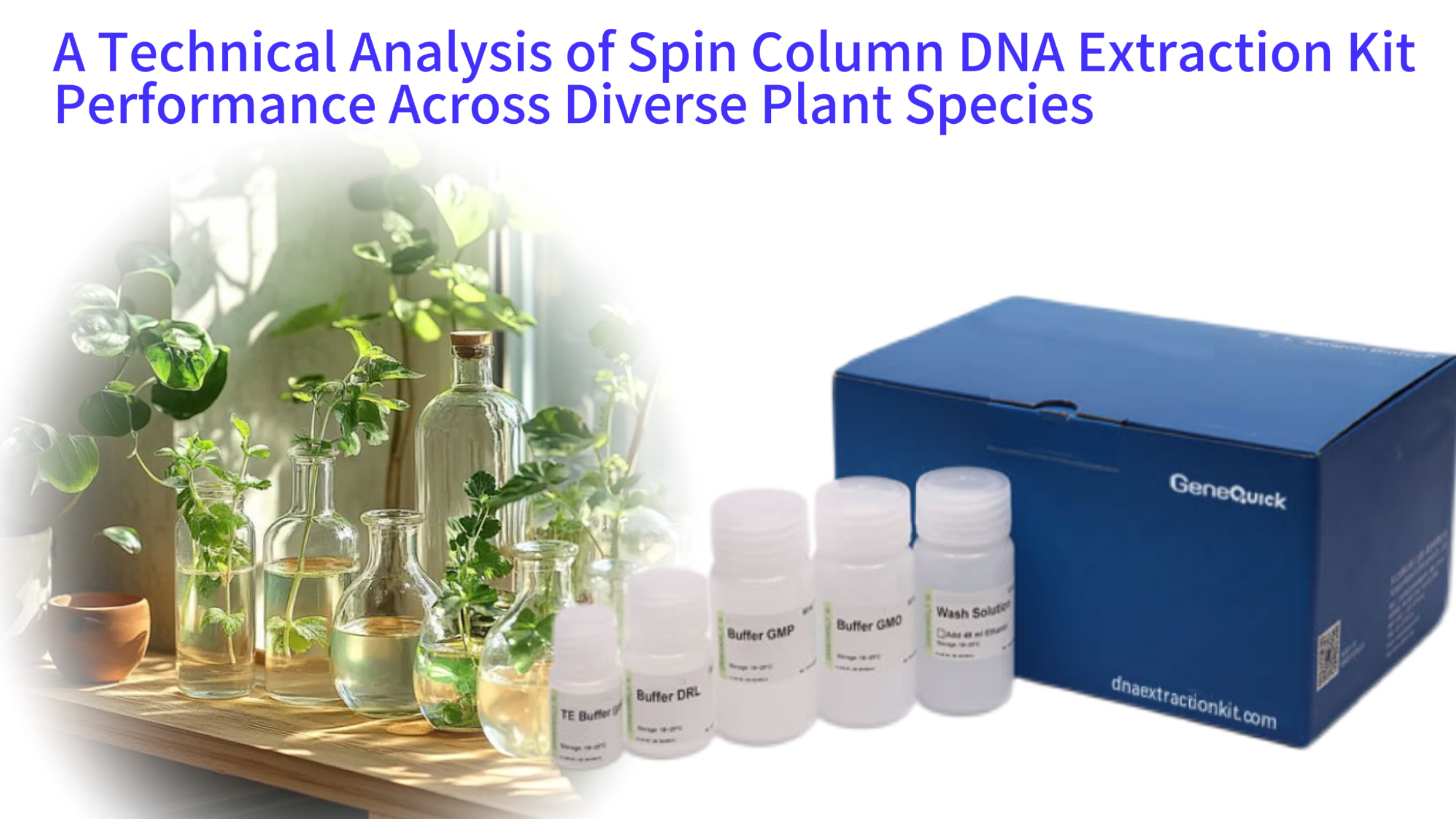
A Technical Analysis of Spin Column DNA Extraction Kit Performance Across Diverse Plant Species
This article provides a comprehensive examination of the efficiency of Spin Column DNA Extraction Kits when applied to different plant species. Plant molecular biology presents unique challenges due to the immense structural and biochemical diversity within the plant kingdom. A method that works flawlessly for a soft leafy herb may yield poor results for a woody tree or a polyphenol-rich fruit. We delve into the scientific reasons behind these variations, exploring how cell wall composition, secondary metabolites, and polysaccharide content directly impact the binding and elution of DNA on the silica membrane of a spin column. By understanding these fundamental interactions, researchers can better select, optimize, and troubleshoot extraction protocols to ensure high-quality DNA suitable for demanding downstream applications like PCR and next-generation sequencing from any plant source.
The Inherent Challenge of Plant Diversity for Nucleic Acid Isolation
The fundamental obstacle in universal plant DNA extraction lies in the extreme heterogeneity of plant tissues. Unlike animal cells, plant cells are enclosed within a rigid cell wall primarily composed of cellulose, hemicellulose, and lignin. The complexity and thickness of this wall vary dramatically between species. Soft tissues from Arabidopsis thaliana or spinach leaves are relatively easy to lyse, whereas the sclerenchyma cells in tree bark or mature plant stems present a formidable barrier that standard lysis buffers may not fully penetrate. Incomplete lysis is a primary source of low DNA yield, as a significant portion of genomic material remains trapped within unbroken cellular structures.
Beyond physical barriers, plant cells synthesize a vast array of secondary metabolites intended for defense. These include polyphenols, tannins, and alkaloids which readily oxidize and co-precipitate with DNA during the extraction process. This oxidation, often turning lysates brown, can irreversibly bind to nucleic acids, inhibiting downstream enzymatic reactions. Furthermore, plants store energy in the form of complex polysaccharides like starch, pectin, and mucilage. These compounds can co-purify with DNA, creating a viscous eluate that interferes with pipetting, spectrophotometric quantification, and polymerase activity. The concentration of these interfering substances is not uniform; a protocol for a potato tuber, rich in starch, must be fundamentally different from one for a pine needle, laden with resins and phenolics.
Cell Wall Architecture and Its Impact on Lysis Efficiency
The initial step of any DNA extraction is the effective disruption of the cell wall and membrane. The efficacy of the lysis buffer in a Spin Column DNA Extraction Kit is paramount. For many standard kits designed for animal cells or simple microorganisms, the lysis conditions may be too gentle for robust plant tissues. Species with high lignin content, such as trees and shrubs, often require mechanical disruption like bead beating or grinding in liquid nitrogen prior to the addition of lysis buffers. Without this physical pre-treatment, the chemical lysis alone is insufficient, leading to a direct correlation between tissue toughness and lower reported DNA yields from an otherwise efficient kit.
The composition of the lysis buffer itself must be considered. Buffers containing cetyltrimethylammonium bromide, or CTAB, are historically favored for plant work due to their ability to effectively complex polysaccharides and polyphenols, preventing their interaction with DNA. While many modern spin column kits use proprietary, high-salt, chaotropic buffers designed for broad compatibility, their formulation may be optimized for certain plant families over others. A kit performing excellently on monocotyledonous plants like grasses may require protocol adjustments for dicotyledonous plants with different metabolic profiles, highlighting that the "one-size-fits-all" approach has limits in botany.
The Problem of Co-Purifying Inhibitors: Polyphenols and Polysaccharides
Polyphenols pose a significant threat to DNA purity. Upon cell disruption, these compounds are released and, in the presence of oxygen, are oxidized by polyphenol oxidases to form quinones. Quinones then cross-link with proteins and nucleic acids, creating brown-colored complexes that can permanently contaminate the DNA. The extent of this problem is species-specific. Plants like mango, tea, and strawberry are notoriously high in polyphenols. When using a standard spin column kit, these complexes can overwhelm the silica membrane's capacity, leading to inhibitor carryover into the final eluate, which manifests as poor amplification in subsequent PCR.
Polysaccharides represent another class of ubiquitous contaminants. They often share physicochemical properties with nucleic acids, making separation difficult. During the binding step in a spin column procedure, high concentrations of salts promote DNA adsorption to silica. However, some polysaccharides may also precipitate or bind non-specifically under these conditions. The subsequent wash steps with ethanol-based buffers are designed to remove salts and other impurities, but viscous polysaccharides can clog the membrane's pores, reducing flow-through during centrifugation and compromising the washing efficiency, ultimately resulting in lower purity DNA as measured by A260/A280 ratios.
Variations in Endogenous Nuclease Activity
Nuclease activity, which degrades DNA, can vary between plant species and tissue types. While spin column methods are generally rapid, minimizing exposure time, some tissues may have particularly high levels of DNases released upon homogenization. The lysis buffer in a quality kit will contain agents to denature these enzymes, but their initial concentration in the sample is a variable factor. For instance, rapidly growing tissues or certain germination stages might exhibit higher metabolic and nuclease activity. This biological variable means that even with an optimized kit, incubation times during lysis may need fine-tuning for different species to ensure complete inactivation of nucleases before they can fragment the genomic DNA, which is critical for applications like long-read sequencing.
Mechanistic Basis of Spin Column Technology in Plant Context
The core principle of spin column DNA extraction relies on the selective binding of nucleic acids to a silica-based membrane under high-ionic-strength conditions. Chaotropic salts, such as guanidine hydrochloride, play a dual role: they denature proteins and nucleases, and they disrupt the hydration shell around the DNA molecule. This allows the negatively charged phosphate backbone of the DNA to interact directly with the positively charged silica surface. For plant extracts, this environment also helps to keep many polysaccharides and some phenolic compounds in solution, preventing them from binding. However, the efficiency of this selective process is heavily influenced by the composition of the plant lysate. A lysate overloaded with starch or cross-linked polyphenol-DNA complexes can saturate the membrane, allowing contaminants to pass through or causing mechanical clogging.
The wash steps are critical for purity. Typically, buffers containing ethanol are used to remove salts, metabolites, and other impurities while leaving the DNA bound. In plant extractions, the effectiveness of these washes determines the level of inhibitor removal. A standard two-wash protocol may be sufficient for a simple plant like lettuce but prove inadequate for a complex sample like a cocoa bean. Some specialized plant DNA extraction kits incorporate additional wash buffers with specific chemistries designed to solubilize and remove common plant contaminants like polyphenolic compounds and polysaccharides more effectively than standard ethanol washes.
The Critical Role of Binding Buffer Chemistry
The formulation of the binding buffer is the first line of defense against plant-derived inhibitors. Its pH, ionic strength, and detergent composition are fine-tuned to create conditions ideal for DNA-silica binding while keeping contaminants in solution. For challenging plants, the ratio of sample lysate to binding buffer is a key parameter. Using an increased volume of binding buffer can help dilute high concentrations of inhibitors present in the initial lysate, improving the binding specificity. This dilution step, however, must be balanced against the binding capacity of the silica membrane. Exceeding the column's capacity by applying too much total nucleic acid will lead to reduced yield and purity, a common mistake when processing plants with large genomes.
Silica Membrane Properties and Flow Dynamics
The physical characteristics of the silica membrane influence performance. Membranes with optimized pore sizes and surface areas are designed for maximum DNA binding capacity and efficient liquid flow. When processing plant samples rich in viscous polysaccharides, the lysate mixture can have a high viscosity. This can severely slow down or even halt centrifugation flow, leading to incomplete binding and washing. Some protocols for such samples recommend a brief incubation of the lysate-binding buffer mixture on ice to precipitate some polysaccharides, followed by a clarification spin before loading the supernatant onto the column. This pre-clearing step, while adding time, can dramatically improve the functionality of the spin column for difficult species.
Elution Conditions and Final DNA Recovery
The elution step uses a low-ionic-strength solution, typically Tris-EDTA buffer or nuclease-free water, to rehydrate the DNA and disrupt its interaction with the silica. For plant DNA, the temperature and volume of the elution buffer are important. Using pre-warmed elution buffer and allowing it to incubate on the membrane for one to two minutes can increase the yield, especially for high-molecular-weight DNA that may be tightly bound. However, excessive heat should be avoided to prevent denaturation. Furthermore, eluting in a smaller volume will increase the concentration but may reduce overall yield if the DNA is not fully resuspended, while a larger volume ensures complete recovery but yields a more dilute product. This trade-off must be considered based on the requirements of the downstream application.
Efficiency Analysis Across Major Plant Categories
Evaluating spin column kit efficiency requires looking at specific plant groups with shared characteristics. Performance is not random but follows predictable patterns based on the biochemical challenges outlined previously. By categorizing plants, we can develop tailored pre- and post-extraction strategies. It is important to note that efficiency is measured not just by total DNA yield in micrograms, but more importantly by the quality metrics such as A260/A280 ratio, which should ideally be between 1.8 and 2.0, and the A260/A230 ratio, which should be above 2.0 to indicate low salt and organic contaminant carryover. Gel electrophoresis can further reveal the integrity of the DNA, showing if it is high molecular weight or degraded.
Herbaceous Plants vs. Woody Plants
Herbaceous plants, including model organisms like Arabidopsis and many crop plants like tomato and pepper, are generally the most straightforward for spin column extraction. Their softer tissues lyse easily, and they often contain moderate levels of inhibitors. Standard commercial spin column kits typically deliver high yields and purity from young leaf tissue of these species. In contrast, woody plants such as oak, pine, and citrus present a multi-layered challenge. Their tissues are fibrous with high lignin and cellulose content, requiring vigorous mechanical disruption. They also frequently contain high levels of tannins and complex secondary metabolites. For these species, a standard protocol almost always requires modification, such as the inclusion of polyvinylpyrrolidone in the lysis buffer to bind polyphenols or the use of a specialized kit specifically validated for woody plants.
Plants with High Polyphenol Content
This category includes many fruit crops, medicinal herbs, and trees. Examples are blueberry, grape, tea, and walnut. The primary issue is the rapid oxidation and browning of the lysate. Efficiency of a standard spin column kit on these samples can be very poor without pre-treatment. Best practices involve performing the initial grinding step in liquid nitrogen to freeze enzymes, adding antioxidants like ascorbic acid or beta-mercaptoethanol to the lysis buffer to prevent oxidation, and often including a pre-binding incubation step with a polyphenol absorbent resin. Even with these steps, the binding capacity of the spin column may be reduced, suggesting the use of a larger column format or processing smaller amounts of starting material to avoid overloading the silica membrane with contaminants.
Plants Rich in Starch and Polysaccharides
Potato tubers, banana fruit, and many seeds and grains fall into this group. The high polysaccharide content leads to gelatinous lysates that hinder fluid flow through the spin column. The extraction efficiency here depends heavily on pre-lysis treatment. Protocols often recommend using an extraction buffer with higher salt concentrations to better separate DNA from polysaccharides. After lysis, a critical step is a high-speed centrifugation to pellet the insoluble starch before the supernatant is transferred to the spin column. Skipping this clarification step will almost certainly result in column clogging and failure. For seeds, removing oils and fats through an initial wash with an organic solvent may also be necessary before aqueous-based lysis.
Ancient and Preserved Plant Specimens
Extracting DNA from herbarium samples, archaeological remains, or formalin-fixed paraffin-embedded plant tissues introduces additional layers of complexity. The DNA is often highly fragmented and cross-linked. While spin column technology is excellent for purifying DNA from such degraded samples, the initial de-crosslinking and recovery of ultra-short fragments require specific lysis conditions, often involving prolonged incubation with proteinase K at high temperature. The binding efficiency of the silica membrane for these short fragments is different than for intact genomic DNA; smaller fragments bind less efficiently. Therefore, kits and protocols optimized for ancient DNA or FFPE samples, which often include carrier RNA or optimized binding solutions for short fragments, will yield significantly better results than a standard plant kit when working with these precious and challenging materials from preserved plant sources.
Quantitative and Qualitative Metrics for Efficiency Assessment
To objectively compare the efficiency of a Spin Column DNA Extraction Kit across plant species, researchers must employ a suite of analytical tools. Yield, measured by absorbance at 260 nm, provides the first data point. However, a high yield with poor purity is misleading. The A260/A280 ratio indicates protein contamination, common if phenolic compounds have co-purified. The A260/A230 ratio is perhaps even more critical for plants, as low values signal carryover of chaotropic salts, carbohydrates, or phenolics from the extraction process. Spectrophotometric data should always be complemented by gel electrophoresis to visually assess DNA integrity. A clear, high-molecular-weight band with minimal smearing indicates successful extraction, while a smear suggests degradation, and a lack of high-molecular-weight material may indicate excessive shearing or nuclease activity.
For downstream applications, functional assays are the ultimate test of efficiency. The most common is endpoint PCR or quantitative PCR using a conserved plant gene target. The cycle threshold values and amplification success rates directly reflect the presence of inhibitors. A sample with good spectrophotometric readings that fails to amplify is indicative of cryptic inhibitors not detected by absorbance ratios, a known issue with certain plant compounds. For next-generation sequencing applications, metrics such as library conversion efficiency, sequencing depth uniformity, and the percentage of reads passing quality filters provide a comprehensive, application-specific assessment of DNA quality. A high-quality extraction should perform consistently well across all these metrics, from spectrophotometry to functional application.
Spectrophotometry and Fluorometry for Accurate Quantification
Traditional UV spectrophotometry is widely used but can be inaccurate for plant DNA due to interference from residual contaminants that also absorb at 260 nm. Fluorometric assays, using dyes like PicoGreen that bind specifically to double-stranded DNA, provide a more accurate quantification because they are less affected by the presence of RNA, proteins, or free nucleotides. When comparing extraction efficiency across species, using fluorometry often reveals that yields from challenging plants are lower than spectrophotometry suggests, as the latter may overestimate due to contaminant absorbance. This highlights the importance of using the appropriate quantification method for reliable comparative data.
Gel Electrophoresis for Integrity Verification
Agarose gel electrophoresis offers a simple yet powerful visual assessment. Intact plant genomic DNA should appear as a single, tight, high-molecular-weight band near the well, with minimal smearing toward lower molecular weights. Significant smearing indicates degradation, often from endogenous nucleases or excessive mechanical shearing during homogenization. The absence of a distinct high-molecular-weight band, replaced by a low-molecular-weight smear, suggests a failed extraction for applications requiring long fragments. For some species, a faint band of organellar DNA may be visible below the genomic band. This qualitative check is indispensable for troubleshooting and confirming that the extraction process has maintained DNA integrity.
Downstream Application Success as the Ultimate Metric
The true measure of an extraction method's efficiency is its performance in the intended application. For a DNA sample destined for PCR, running a dilution series with a control gene amplicon can reveal the presence of inhibitors. If amplification works only in diluted samples, it indicates that inhibitors are present but can be diluted out. For restriction digestion, clean DNA will digest completely without residual uncut DNA, while contaminated samples may show partial digestion. In next-generation sequencing, metrics like the number of raw reads, the percentage of reads mapped to the reference genome, and the evenness of coverage are direct reflections of input DNA quality. A highly efficient extraction from a given plant species will enable robust and reproducible results in all these downstream assays.
Optimization Strategies for Enhanced Performance
When a standard spin column protocol yields suboptimal results for a particular plant species, systematic optimization is required rather than abandoning the method. The first variable to adjust is often the sample preparation. Ensuring tissue is ground to a fine powder in liquid nitrogen is non-negotiable for most plants. The tissue-to-buffer ratio is also critical; using too much tissue overloads the system with inhibitors, while too little may yield insufficient DNA. Increasing the volume of lysis buffer can help dilute inhibitors, and extending the lysis incubation time at an elevated temperature with agitation can improve cell wall breakdown and nuclease inactivation.
Modifications to the kit protocol itself can be highly effective. Adding supplementary reagents to the provided lysis buffer is common. Polyvinylpyrrolidone at a 1-2% concentration effectively binds polyphenols. Beta-mercaptoethanol or dithiothreitol are reducing agents that prevent oxidation of phenolics. For polysaccharide-rich samples, adding a pre-binding precipitation step with potassium acetate or a high-salt solution can remove much of the contaminant before the lysate is loaded onto the column. Furthermore, performing an extra wash step with the provided wash buffer, or even with a dilute wash buffer, can improve purity, though care must be taken not to overdry the membrane, which can make DNA elution difficult. The elution step can also be optimized by applying the elution buffer twice to the same column to maximize recovery.
Sample Pre-Treatment and Homogenization Methods
The homogenization method sets the stage for success. Mortar and pestle grinding with liquid nitrogen remains the gold standard for most plant tissues as it provides complete cellular disruption while keeping samples frozen, inhibiting degradative enzymes. For high-throughput processing, bead mills or tissue lysers can be effective but may cause more shearing. The key is to achieve a homogeneous, fine powder. For especially oily seeds or resinous tissues, a pre-wash with hexane or chloroform to remove lipids and resins before aqueous lysis can dramatically improve the purity of the subsequent DNA extract and prevent clogging of the spin column.
Buffer Modification and Additive Integration
Integrating additives directly into the standard lysis protocol is a straightforward optimization. The addition of 1-2% CTAB to the lysis buffer is a classic and powerful modification for challenging plants, as it forms complexes with polysaccharides and polyphenols. However, CTAB can be incompatible with some spin column chemistries, so compatibility should be verified. Adding RNase A during lysis will remove RNA, leading to a more accurate DNA quantification and cleaner downstream applications. For samples suspected of high nuclease activity, increasing the concentration of proteinase K or adding a specific nuclease inhibitor cocktail to the lysis buffer can preserve DNA integrity during the initial processing phase.
Protocol Adjustments for Binding, Washing, and Elution
During the binding step, ensuring the correct pH and salt concentration is vital. If the lysate is too acidic after homogenization, DNA binding to silica will be inefficient. A simple check with pH paper can confirm the need for adjustment. Loading the lysate-binding buffer mixture onto the column in multiple, smaller aliquots, with a brief spin between each, can improve binding efficiency for viscous samples by preventing membrane clogging. For washing, ensuring the wash buffer contains the correct concentration of ethanol is important, as evaporation can alter it. A final wash with 80% ethanol can sometimes improve A260/A230 ratios by removing residual salts. For elution, using a slightly alkaline elution buffer pre-heated to 55-65°C and allowing a 5-minute incubation on the membrane before centrifugation can significantly boost both yield and concentration of the final DNA.
Selecting the Appropriate Kit for Your Plant Research
The final consideration is choosing the right Spin Column DNA Extraction Kit from the outset. Manufacturers now offer kits tailored for specific challenges. Some are broadly marketed as "Plant DNA Extraction Kits" and contain optimized buffers with additives like PVP and enhanced wash solutions. Others are designed for specific sample types, such as seeds, woody tissues, or polysaccharide-rich plants. When selecting a kit, researchers should consult the manufacturer's validation data to see which species were tested. A kit validated on pine needles and grape leaves will be a better starting point for conifers or vines than a general-purpose kit validated only on Arabidopsis and tomato.
The scale of the work also matters. For processing hundreds of samples for genetic screening, a 96-well plate format spin column kit compatible with automation is essential for efficiency and reproducibility. For precious or rare samples, a kit with a proven track record for high recovery from minimal input material is preferable. Cost per sample is a factor, but it should be weighed against the time and reagent cost of troubleshooting a failed extraction with a cheaper, less suitable kit. The most economical choice is often the kit that delivers reliable, publication-quality DNA on the first attempt, minimizing repeat experiments and saving valuable research time. For specialized work with preserved specimens, seeking out kits designed for forensic or ancient DNA samples can provide the necessary chemistry to handle degraded and cross-linked nucleic acids from plant sources.
Matching Kit Specifications to Plant Sample Type
A diligent review of kit specifications is crucial. The binding capacity of the silica membrane, often stated in micrograms, should exceed the expected DNA yield from your sample amount. Kits designed for difficult samples may have a lower stated capacity because they prioritize purity over total binding. The composition of the wash buffers is often proprietary, but some manufacturers indicate if they are optimized for removing plant polysaccharides or polyphenols. Furthermore, the availability of the kit in different formats, from single pre-packed columns to bulk reagents, allows for scalability. For projects involving diverse plant species, starting with a kit that offers the greatest flexibility for protocol modification, such as the ability to add CTAB or PVP to the lysis buffer without inhibiting DNA binding, is a strategic advantage.
Considering Downstream Application Requirements
The end goal dictates the starting protocol. If the DNA is intended for sensitive quantitative PCR, the highest priority is the complete removal of inhibitors, favoring kits with stringent wash protocols even at the potential cost of some yield. For whole-genome sequencing, especially with long-read technologies, the integrity and molecular weight of the DNA are paramount, requiring a gentle lysis and elution process that minimizes shearing. For applications like DNA barcoding or microsatellite analysis, where smaller fragments are amplified, yield and purity are more critical than extremely high molecular weight. Therefore, understanding the tolerance of your downstream technology to common plant contaminants and DNA fragment size will guide you toward a kit whose performance profile is aligned with those needs.
Balancing Throughput, Cost, and Consistency
In a high-throughput genotyping laboratory processing thousands of leaf punch samples, consistency and speed are as important as quality. Automated systems using magnetic bead-based extraction are often employed, but spin columns in plate formats remain a robust and widely used option. The key is to validate the chosen kit extensively on a representative subset of your plant species to ensure it performs consistently before committing to a large-scale project. The cost per sample must be calculated inclusive of all consumables and labor. A slightly more expensive kit that requires fewer manual intervention steps or yields DNA ready for immediate downstream use without further cleanup may offer a lower total cost and higher throughput in the long run compared to a cheaper kit that requires extensive optimization and repeat extractions.