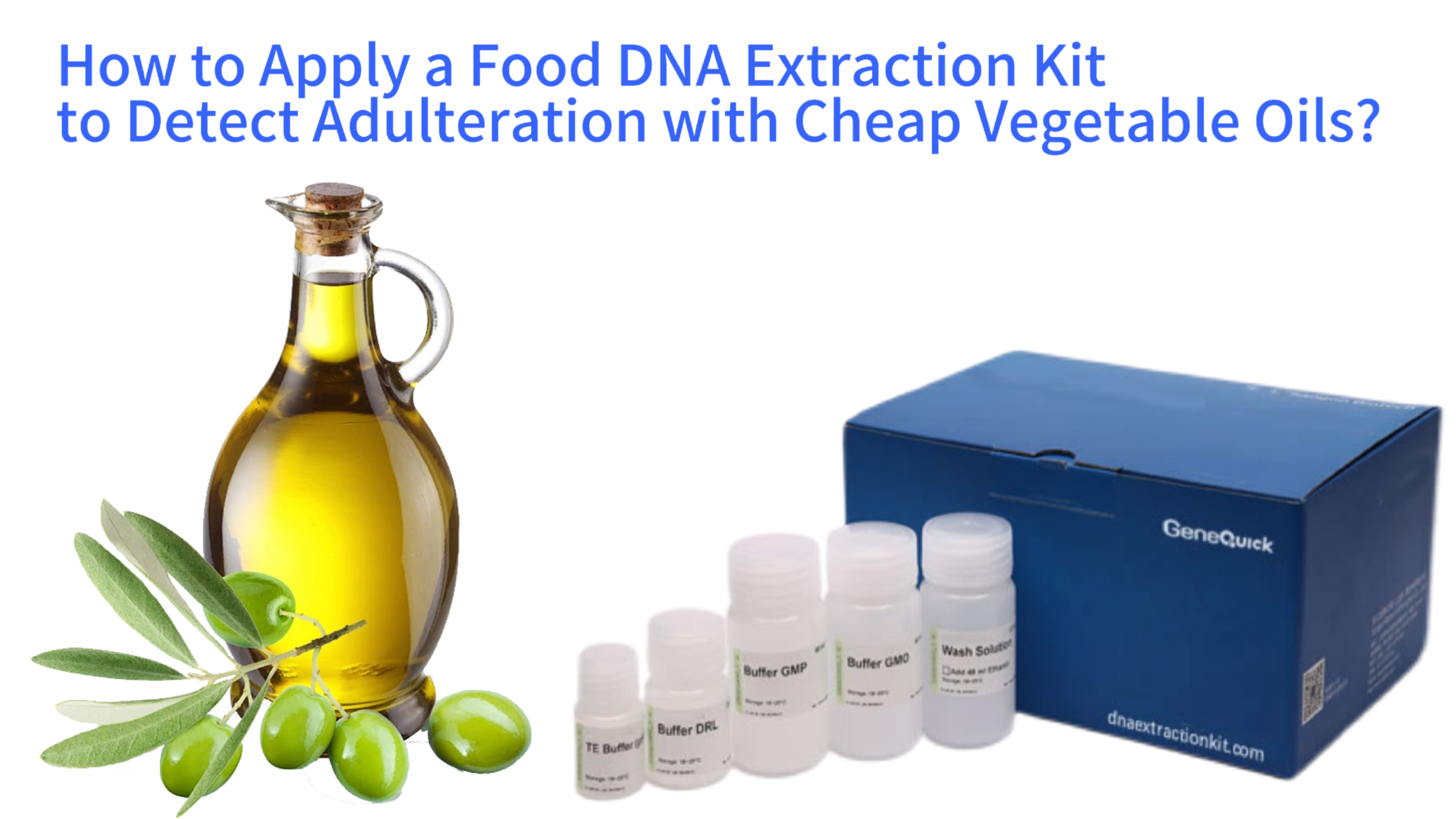
The global olive oil market, valued for its health benefits and distinct flavor, faces a persistent challenge: economic adulteration. Unscrupulous producers may dilute expensive extra virgin olive oil with cheaper vegetable oils like sunflower, soybean, or canola oil. This fraud not only deceives consumers and erodes brand trust but can also pose risks for individuals with specific allergies. This article details a precise, scientific method to combat this issue using Food DNA Extraction Kits. We will explore the biological basis for detecting plant DNA in oil, break down the specialized extraction process required for such a challenging matrix, and explain how the purified DNA enables definitive identification of oil composition through modern molecular techniques, empowering producers, regulators, and consumers to verify authenticity.
The Problem of Olive Oil Adulteration and the DNA Solution
Olive Oil Adulteration Detection: Traditional vs DNA-Based Methods
Mixed with cheap vegetable oils
Fatty acid/sterol analysis
Prone to evasion
Isolate trace plant DNA
Overcome lipid matrix
Species-specific genetic fingerprint
Unambiguous results
Olive oil adulteration is a significant issue impacting global trade, with studies by organizations like the International Olive Council indicating that a notable percentage of commercially available oils may not meet their labeled purity standards. The addition of cheaper oils is difficult to detect through taste or basic chemical tests alone, as sophisticated adulteration can mimic the fatty acid profile of pure olive oil. This creates a need for an unambiguous identification method that looks beyond chemistry to the biological origin of the product. Every plant species possesses a unique genetic code, and this DNA serves as an unalterable fingerprint.
Even in a processed product like oil, trace amounts of cellular material from the original fruit or seed can persist. These fragments contain the plant's DNA. While the oil itself is a lipid, not a nucleic acid, the crushing and extraction process does not completely destroy all cells or eliminate all DNA associated with plant debris. The challenge lies in recovering these minute, often degraded DNA traces from an overwhelming background of fats and oils. A standard DNA extraction protocol designed for fresh tissue fails here, necessitating a specialized approach tailored to the unique matrix of edible oils and processed foods.
Understanding the Source of DNA in Processed Oils
DNA enters the oil during the mechanical or chemical processing of olives. Crushing the fruit releases oil from the olive mesocarp cells, but it also releases the contents of those cells, including fragmented nuclei and chloroplasts that contain DNA. Modern centrifugation and filtering remove the vast majority of solid plant matter, known as pomace, but sub-microscopic particles and DNA molecules adsorbed onto oil droplets or emulsified in water residues can remain. The quantity and quality of this DNA are influenced by processing temperature, filtration fineness, and the age of the oil, making its extraction a technically demanding task.
Limitations of Traditional Purity Testing Methods
Traditional methods for assessing olive oil purity, such as gas chromatography to analyze fatty acids or sterol composition, have been the industry standard. While powerful, these techniques can be circumvented by blends of oils carefully calculated to match expected chemical profiles. Furthermore, they may not reliably identify the presence of all potential adulterants, especially at low levels of contamination. DNA-based testing offers a complementary and highly specific approach. It does not measure chemical proxies; it directly identifies the biological species present, providing a yes-or-no answer regarding the presence of non-olive plant material that is difficult to falsify.
Regulatory Framework and the Need for Definitive Proof
Food labeling regulations in major markets, including the European Union and the United States, mandate truthful representation of product contents. Adulterating olive oil violates these regulations and constitutes fraud. For enforcement agencies, importers, and quality control laboratories, having a reliable method to obtain definitive proof of adulteration is crucial for legal actions and market compliance. A Food DNA Extraction Kit for Processed Food provides the critical first step in generating this evidence by delivering analyzable DNA from a product specifically designed to be a pure lipid substance.
From Suspicion to Evidence: The Role of the Testing Laboratory
The journey from a suspicious bottle of oil to a verified case of adulteration relies on a structured laboratory workflow. It begins with proper sample collection and homogenization to ensure the small aliquot taken for testing is representative of the entire batch. The laboratory must then effectively separate the invisible DNA from the large volume of oil, a process that requires specialized chemical reagents to break lipid barriers and capture nucleic acids. Success in downstream analysis is wholly dependent on the efficiency and purity of this initial extraction step, highlighting the importance of using an optimized, dedicated kit.
Core Technology: How DNA Extraction Kits Work with Oily Matrices
DNA Extraction Workflow for Oily Matrices
Oil + Lysis Buffer + Solvent
Vortex to form emulsion
Centrifugation
Aqueous layer with DNA
Chaotropic salts + Alcohol
Bind to silica matrix
Ethanol-based buffers
Remove inhibitors/salts
Low-salt buffer/water
PCR-ready DNA
DNA Quality Metrics (Spectrophotometry)
| Ratio | Ideal Value | Indicator |
|---|---|---|
| A260/A280 | ~1.8 | Protein contamination |
| A260/A230 | >2.0 | Salt/organic solvent contamination |
Standard DNA extraction protocols assume a water-based or solid biological sample. Oils present a fundamental incompatibility; they are hydrophobic and can inhibit the enzymatic reactions crucial for molecular biology. Therefore, a Food DNA Extraction Kit designed for this application incorporates specific buffers and procedural steps to overcome these obstacles. The core principle involves first capturing the trace plant debris from the oil, then vigorously stripping away the lipids and other PCR inhibitors before purifying the DNA itself. This often involves a phase separation where the oil is dissolved in specific solvents, allowing aqueous-based reagents to access the DNA.
The technology within these kits frequently employs a dual strategy of enzymatic and chemical disruption. Protease enzymes may be used to break down proteins that bind DNA or form complexes with lipids. Specialized lysis buffers contain detergents and chaotropic salts that help to dissociate DNA from lipid membranes and denature degrading enzymes. Crucially, these buffers are formulated to maintain DNA integrity while creating conditions that favor its binding to a purification matrix, such as silica, in the presence of high concentrations of alcohol, which is a key step for separating DNA from the dissolved oil and other contaminants.
The Critical Lysis and Lipid Removal Phase
The initial lysis step is radically different from that used for a leaf or a piece of meat. A small volume of oil is typically mixed with a lysis buffer containing strong detergents and a solvent like chloroform or a proprietary substitute. This mixture is vortexed vigorously to create an emulsion, ensuring maximum contact between the aqueous buffer and any DNA-containing particles suspended in the oil. Subsequent centrifugation causes the mixture to separate into distinct layers: a top organic (oil/solvent) layer, an interphase of denatured proteins and debris, and a bottom aqueous layer where the DNA should now reside. This physical separation is the first major hurdle in isolating DNA from the oily matrix.
Binding DNA in the Presence of Common Inhibitors
The aqueous phase containing the DNA is then transferred to a new tube. At this stage, it still contains substances that can interfere with later analysis, such as polysaccharides from plant cell walls, residual lipids, and phenolic compounds. The kit introduces a binding buffer, usually containing chaotropic salts like guanidine hydrochloride and a high percentage of alcohol. These conditions disrupt the water shell around DNA molecules, allowing them to bind tightly to the silica membrane of a spin column or to the surface of magnetic beads. The specific chemistry ensures that while DNA binds, many of the remaining inhibitors do not, leaving them in the solution to be discarded.
Washing and Elution for PCR-Ready DNA
After binding, the silica membrane or magnetic beads undergo a series of wash steps. Wash buffers, typically ethanol-based, are passed through the column or used to resuspend the beads. These washes remove salts, residual solvents, and other small molecule contaminants without dislodging the bound DNA. The final and most critical step is elution. A low-salt buffer or nuclease-free water is applied. By changing the ionic environment and hydrating the DNA, this elution buffer reverses the binding process, releasing the purified DNA into a small, concentrated volume. The success of this process, using a robust spin column DNA extraction kit for plant materials, is measured by the DNA's purity and its suitability for sensitive Polymerase Chain Reaction (PCR) assays.
Quality Assessment of the Extracted DNA
Following extraction, the DNA is not immediately used for testing. Its quality and quantity must first be assessed. Spectrophotometry measures the concentration of DNA and its purity by calculating ratios of absorbance at 260nm (nucleic acids), 280nm (proteins), and 230nm (salts/organic solvents). For olive oil extracts, a key indicator of success is a high A260/A280 ratio (near 1.8) and an A260/A230 ratio above 2.0, indicating minimal contamination from carry-over phenolic compounds or salts. Gel electrophoresis can also provide a visual check for DNA degradation. High-quality extracts show a clear, high-molecular-weight smear, confirming that the DNA, though fragmented from processing, is of sufficient integrity for amplification.
Overcoming Sample-Specific Challenges in Oil DNA Extraction
Key Challenges & Solutions in Oil DNA Extraction
Challenges
-
Extremely low DNA copy numbers
-
Highly fragmented DNA (<500 bp)
-
PCR inhibitors (oleic acid, lipids)
-
Variable sample matrix (cold-pressed vs refined)
-
DNA degradation from storage/processing
Solutions
-
Specialized lysis buffer additives to sequester inhibitors
-
Magnetic beads for high-volume lysate processing
-
Carrier molecules (glycogen) for low-yield DNA recovery
-
Optimized wash buffers for lipid removal
-
Protocol adjustment for different oil types
Validation Controls
Reagents only
Check for contamination
Spiked pure oil
Verify detection sensitivity
Known adulterant levels (1%,5%,10%)
Establish LOD
Extracting DNA from olive oil is arguably one of the most difficult applications in food forensics. The target DNA is present in extremely low copy numbers, is often highly fragmented due to mechanical shear and oxidation during oil production and storage, and is surrounded by a sea of potent PCR inhibitors like oleic acid and other lipids. Standard kits fail because they cannot efficiently partition the DNA away from this inhibitory environment. Specialized food DNA kits address this by incorporating additives to the lysis buffer that compete with DNA for binding to inhibitory compounds, effectively sequestering them and allowing clean DNA to be recovered.
Another significant challenge is the variability among oil samples. Cold-pressed extra virgin olive oil may retain more cellular debris than heavily refined, bleached, and deodorized seed oils. The age and storage conditions of the oil also affect DNA stability; prolonged exposure to heat, light, and oxygen accelerates DNA degradation. Consequently, the extraction protocol cannot be a one-size-fits-all solution. It requires careful optimization of sample input volume, incubation times, and the potential use of carrier molecules like glycogen or linear acrylamide during precipitation steps to aid in the recovery of the tiny amounts of DNA, a technique sometimes borrowed from protocols for forensic DNA extraction from challenging samples like ancient bone.
Dealing with High Lipid Content and PCR Inhibition
The primary technical hurdle is the co-purification of lipids. Even trace amounts of lipid carry-over can coat reaction tubes and inhibit the Taq polymerase enzyme in subsequent PCR, leading to false-negative results. Specialized wash buffers in these kits are formulated with detergents that solubilize residual lipids without disrupting the DNA-silica bond. Some protocols may also include a pre-wash step with a non-polar solvent directly on the spin column to dissolve and wash away stubborn fats before the DNA binding occurs. The effectiveness of this inhibitor removal is critical, as it directly determines the sensitivity of the final detection method.
Optimizing for Fragmented and Low-Abundance DNA
DNA in processed oil is not intact; it is sheared into small fragments, often less than 500 base pairs in length. This necessitates a binding matrix with high affinity for both long and short DNA fragments. Silica-based methods are generally effective for this range. Furthermore, to maximize the capture of these scarce molecules, the sample input may be increased, but this also increases the inhibitor load. Therefore, a balancing act is required. Some advanced kits employ magnetic beads which allow for efficient binding from larger volumes of lysate without column clogging, improving the recovery of low-abundance targets, a principle also valuable in recovering microbial DNA from water samples.
Validating the Method with Positive and Negative Controls
Given the difficulty of the extraction, rigorous experimental controls are non-negotiable. A negative control, consisting of the extraction reagents without any oil sample, must be processed in parallel to check for cross-contamination or reagent-borne DNA. A positive control is more challenging but essential. This could involve spiking a known pure oil with a tiny, measured amount of leaf tissue from a suspect adulterant plant (e.g., a sunflower seed embryo) and processing it alongside the test samples. This control confirms that the entire workflow—from lysis to PCR—is functioning correctly and can detect the target DNA if it is present, setting a benchmark for the method's limit of detection.
Adapting the Protocol for Different Oil Types and Blends
The extraction protocol may require subtle adjustments based on the suspected adulterant. Different plant oils have varying compositions of fatty acids, phospholipids, and antioxidants, which can interact differently with the extraction chemicals. For instance, an oil blend suspected of containing both soybean and sunflower oil might be tested with multiple DNA marker systems. The extraction must be robust enough to yield DNA compatible with multiplex PCR assays. Laboratories often develop and validate their own internal standard operating procedures based on a core kit, fine-tuning incubation times or centrifugation speeds to achieve consistent results across the spectrum of samples they encounter.
From Extracted DNA to Definitive Identification: Downstream Analysis
Downstream DNA Analysis Methods
-
Qualitative (yes/no) results
-
Gel electrophoresis readout
-
Single target per reaction
-
Cost-effective, basic equipment
-
Quantitative (Ct values)
-
Real-time fluorescent readout
-
Semi-quantitative estimation of adulteration
-
Gold standard for oil testing
-
Multiple targets in one reaction
-
Size/fluorescent labeled amplicons
-
Detect multiple adulterants simultaneously
-
Requires primer optimization
-
Unknown adulterant identification
-
Sequence comparison to reference libraries
-
High DNA quality required
-
Ideal for novel/exotic adulterants
Common Genetic Targets for Plant ID
| Target Gene/Region | Type | Application |
|---|---|---|
| rbcL | Chloroplast | General plant barcoding |
| matK | Chloroplast | Species differentiation |
| ITS regions | Nuclear rDNA | Closely related species ID |
Once high-purity DNA is obtained from the olive oil sample, the next phase is molecular identification. This almost universally relies on the Polymerase Chain Reaction (PCR). PCR exponentially amplifies a specific, short region of the plant genome, turning a few copies of target DNA into billions, making detection straightforward. The specificity comes from the primers—short, synthetic DNA sequences designed to bind exclusively to the DNA of a particular species or group of species. For olive oil, one set of primers might target a gene unique to the olive tree (*Olea europaea*), while another set targets a gene common to brassicas (for canola oil) or composites (for sunflower oil).
Real-time PCR (qPCR) is the gold standard for this application. Unlike conventional PCR which requires post-amplification gel analysis, qPCR monitors the amplification in real-time using fluorescent dyes. It provides not just a qualitative yes/no result but can also offer semi-quantitative data. By comparing the amplification cycle threshold (Ct) of the sample to a standard curve made from known mixtures, it is possible to estimate the relative percentage of adulterant oil in a blend, provided the DNA extraction efficiency is consistent across species. This quantitative aspect is powerful for assessing the severity of adulteration.
Designing Species-Specific PCR Assays
The accuracy of the entire test hinges on the molecular assay. Scientists design primers and probes that target regions of the plant genome with sufficient variation between species. Common targets include chloroplast genes (like *rbcL* or *matK*) or nuclear ribosomal DNA (ITS regions). These sequences are publicly available in genomic databases. The assay must be rigorously validated to ensure it does not cross-react with olive DNA or other common food plants. For a plant-based food authenticity testing lab, maintaining a validated panel of assays for common adulterants like soybean, corn, peanut, and sesame is standard practice, and olive oil is a key application.
Utilizing DNA Barcoding and Sequencing for Unknown Adulterants
When a specific adulterant is not suspected, or when a novel blend is encountered, a broader screening approach is needed. DNA barcoding involves amplifying a standardized genomic region, such as the *rbcL* gene, from the extracted DNA and then determining its nucleotide sequence via Sanger sequencing. This resulting DNA sequence is like a barcode that can be compared to massive reference libraries to identify the plant species present. This method is particularly useful for detecting unexpected or exotic adulterants. The quality of DNA required for sequencing is high, underscoring the need for an extraction kit that produces inhibitor-free, amplifiable DNA, similar to requirements for research on plant biodiversity.
Multiplex PCR for Simultaneous Detection of Multiple Oils
In many cases, an oil might be adulterated with more than one cheap vegetable oil. Running separate PCR reactions for each potential adulterant is time-consuming and consumes precious DNA. Multiplex PCR solves this by combining multiple primer sets in a single reaction tube, each set designed to produce an amplicon of a distinct size or labeled with a different fluorescent dye. A single assay can then check for the presence of olive, sunflower, soybean, and canola DNA simultaneously. Developing a robust multiplex assay requires careful optimization to ensure all primers work efficiently together without causing spurious amplification products, a testament to the synergy between a clean DNA extract and well-designed molecular tools.
Interpreting Results and Establishing Legal Thresholds
The final output of a qPCR instrument is a set of Ct values. A late or absent Ct signal for the olive-specific assay may indicate the product is not pure olive oil, or that the DNA extraction failed. The presence of a Ct signal for an adulterant-specific assay is clear evidence of contamination. However, a critical question remains: what level of detected DNA signal constitutes actionable adulteration? Minute, unintentional cross-contamination in a processing facility that also handles seed oils could theoretically produce a very weak positive signal. Therefore, regulatory bodies and industry groups must establish scientifically defensible threshold Ct values or copy number limits that distinguish deliberate fraud from incidental contamination, a process that relies on extensive validation studies using the described extraction and detection pipeline.
Implementing the Workflow: A Guide for Laboratories
Laboratory Implementation Workflow
Evaluate commercial kits
Test with spiked samples
Standardize protocols
Define acceptance criteria
Pure oil DNA extracts
Positive/negative controls
ISO 17025 compliance
Proficiency testing
Clear results + controls
Traceable documentation
Critical Quality Requirements
-
Dedicated pre/post PCR workspaces to prevent contamination
-
Trained personnel with understanding of extraction principles
-
Meticulous documentation of all procedural steps
-
Regular equipment calibration and maintenance
Implementing a reliable olive oil authenticity testing service requires more than just purchasing a kit. Laboratories must establish a comprehensive quality management system. This begins with a dedicated, clean workspace to prevent cross-contamination from other plant materials or PCR amplicons. Separate physical areas for sample preparation, DNA extraction, PCR setup, and post-PCR analysis are ideal. The use of dedicated equipment, such as centrifuges and pipettes for the pre-PCR area, along with rigorous decontamination protocols using UV light and bleach, is essential to maintain the integrity of results, similar to standards upheld in clinical genetic testing environments.
Personnel training is another cornerstone. Technicians must be proficient not only in the mechanical steps of the protocol but also in understanding the underlying principles. They need to recognize the signs of a failed extraction, such as low DNA yield or poor purity ratios, and troubleshoot accordingly. Documentation is critical; every step, from sample accessioning to the final qPCR plate layout, must be meticulously recorded to ensure traceability. This level of rigor transforms the method from a research technique into a defensible analytical service suitable for regulatory enforcement or legal dispute resolution.
Selecting and Validating the Appropriate Extraction Kit
The first technical decision is kit selection. Laboratories should evaluate several commercial kits specifically marketed for processed foods or challenging matrices. The validation process involves testing each kit with a panel of defined samples: pure olive oil, olive oil spiked with known low percentages of adulterant oils (e.g., 1%, 5%, 10%), and pure adulterant oils. The evaluation criteria include DNA yield, purity (A260/A280 and A260/A230), amplification success rate in qPCR, and consistency across replicates. The kit that provides the most reliable detection at the lowest target adulteration level, with the highest resistance to PCR inhibition, should be selected as the standard operating kit.
Developing a Standard Operating Procedure (SOP)
Once a kit is chosen, the manufacturer's protocol must be adapted into a detailed, laboratory-specific SOP. This SOP should specify exact sample weights (e.g., 1 mL of oil), centrifuge speeds and times, incubation temperatures, and the type of equipment to be used. It should include detailed instructions for preparing all reagents and controls. A key part of the SOP is defining the acceptance criteria for the extracted DNA. For instance, the SOP may state that any extract with an A260/A230 ratio below 1.8 must be re-extracted, as it is likely to inhibit PCR. This procedural standardization is vital for generating reproducible, high-quality data over time and across different technicians.
Building a Reference Database and Running Controls
A laboratory cannot identify an unknown without a known reference. Building a collection of DNA extracts from verified, pure botanical sources is crucial. This includes single-variety olive oils from different regions and pure samples of common vegetable oils. These references are used as positive controls in every assay batch to confirm primer functionality. Furthermore, running a negative extraction control (a blank) and a no-template control (water instead of DNA in the PCR) in every batch is mandatory to monitor for contamination. The consistent use of these controls builds confidence in the results and is a fundamental requirement for any accreditation, such as ISO/IEC 17025 for testing laboratories.
Data Analysis, Reporting, and Staying Current
The final stage is data interpretation and reporting. The report should clearly state the methods used (including kit and assay identifiers), the results for each target (e.g., "*Olea europaea*: Positive; *Helianthus annuus* (Sunflower): Negative; *Glycine max* (Soybean): Positive"), and any quantitative estimates if a standard curve was applied. It must also include the control results to demonstrate validity. Science in this field evolves; new adulterants emerge, and new genetic markers are discovered. Therefore, laboratories must engage in continuous method development, monitor scientific literature, and potentially participate in proficiency testing schemes to compare their performance with peers, ensuring their service remains at the cutting edge of food authenticity testing.
The Broader Impact and Future of Food Authenticity Testing
Future of Food Authenticity Testing
Portable PCR devices for on-site testing at import/sale points
Untargeted analysis of all plant/microbial DNA in a single assay
Link DNA profiles to supply chain data for immutable provenance
Internationally recognized extraction/PCR methods (IOC/Codex)
Extend to saffron, spices, coffee, cocoa, fish species verification
Key Impact Areas
| Stakeholder | Impact |
|---|---|
| Consumers | Increased trust, verified product authenticity |
| Producers | Protection from fraud, market advantage for ethical practices |
| Regulators | Defensible legal evidence for enforcement |
| Retailers | Supply chain audit capability, brand protection |
The application of DNA extraction and analysis for olive oil purity is a prime example of how molecular biology is transforming food safety and quality control. This technology provides an objective, scientific basis for verifying claims on which consumers spend a premium. Its impact extends beyond catching fraud; it fosters a fairer, more transparent market where ethical producers are protected. As the technique becomes more standardized and cost-effective, it is increasingly adopted not just by government regulators but by retailers, consumer advocacy groups, and producers themselves for brand protection, creating a powerful deterrent against adulteration.
The future of this field lies in increased sensitivity, speed, and multiplexing capability. Next-generation sequencing (NGS) platforms could be used to simultaneously identify all plant and even microbial DNA present in an oil sample in a single, untargeted analysis, a concept being explored in environmental DNA studies. Portable, rapid PCR devices could enable testing at the point of import or sale. Furthermore, the principles established for olive oil are directly applicable to a vast array of high-value foods, such as verifying the origin of saffron, detecting mislabeled fish species, confirming the purity of spices like oregano, and authenticating single-origin coffee or cocoa, all relying on the foundational step of robust DNA extraction from complex matrices.
Empowering Consumers and Shaping the Market
Widespread awareness and availability of DNA-based testing fundamentally shift market dynamics. When consumers know that scientific verification is possible and used, their trust in authenticity labels increases. Retailers and certification bodies can use testing to audit their supply chains proactively. This creates a market advantage for transparent producers and pushes the entire industry toward higher standards. The technology, therefore, acts not only as a forensic tool but as a proactive agent for market improvement, rewarding integrity and encouraging sustainable, traceable production practices from farm to table.
Integration with Blockchain and Digital Traceability
The molecular fingerprint provided by DNA analysis can be integrated with digital traceability systems. Imagine a bottle of olive oil with a QR code. Scanning it could reveal not only the farm's location and harvest date but also a digital certificate linked to the DNA profile of that specific batch. This immutable link between the physical product and its genetic and logistical data, stored on a blockchain, would represent the pinnacle of food provenance. It would make fraud virtually impossible and give consumers an unprecedented level of insight into their food's journey, building a new paradigm of trust based on verifiable data.
Advancing Towards Standardized Global Methods
For DNA-based authenticity testing to reach its full potential as a global regulatory tool, standardized, internationally recognized methods are needed. Organizations like the International Olive Council and Codex Alimentarius are evaluating and working to standardize DNA methods. This involves agreeing on a common DNA extraction protocol for oils, a set of validated reference PCR assays, and defined reporting criteria. Such standardization ensures that a test result in one country is recognized and defensible in another, facilitating international trade and enforcement. The ongoing development and refinement of specialized rapid and reliable extraction kits are central to this global harmonization effort.
The Expanding Horizon of Food Molecular Forensics
The journey from a drop of oil to a genetic profile exemplifies the broader field of food molecular forensics. This discipline applies the tools of forensic science—evidence collection, chain of custody, sensitive DNA analysis, and expert interpretation—to the food supply. It is used to combat illegal fishing (IUU), trace the outbreak of foodborne pathogens to their source, verify organic claims, and protect endangered species from being sold as food. As DNA sequencing costs continue to fall and bioinformatics tools become more accessible, the scope and impact of food molecular forensics will only grow, making our food system safer, more transparent, and more just.