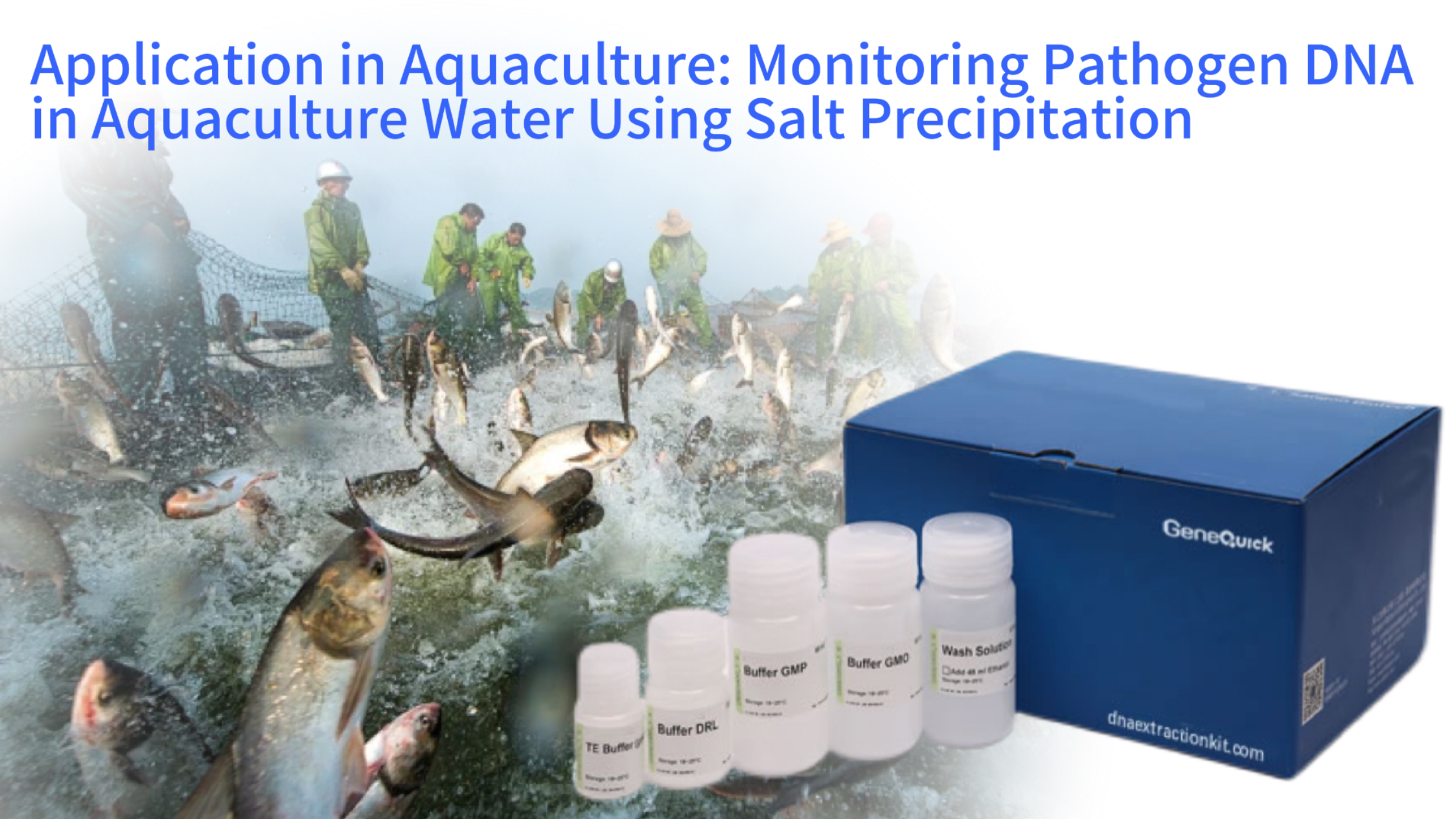
Pathogen DNA Monitoring Workflow in Aquaculture
The global aquaculture industry faces persistent threats from bacterial and viral pathogens, which can cause substantial economic losses and animal welfare concerns. Proactive health management relies on sensitive and timely detection methods. This article details the application of salt precipitation DNA extraction as a practical and accessible technique for monitoring pathogen DNA directly in aquaculture water systems. We will explore the scientific rationale for choosing this method in an aquatic context, provide a comprehensive step-by-step protocol from sample collection to analysis, discuss critical optimization steps for reliable results, and examine how this approach integrates into modern aquatic biosurveillance programs to enable early intervention and sustainable production.
The Critical Need for Pathogen Surveillance in Aquatic Farming
Pathogen Detection Methods Comparison
Reactive approach (symptoms already present)
Infection widespread at detection
High mortality risk
Delayed intervention
Proactive approach (pre-symptomatic)
Early warning before clinical signs
Preventive measures possible
Reduced mortality
Intensive aquaculture systems create environments where pathogens can spread rapidly. Diseases caused by bacteria like *Aeromonas hydrophila*, *Vibrio* species, or viruses such as the Infectious Pancreatic Necrosis Virus (IPNV) can lead to mass mortality events. Traditional diagnostic methods often involve observing clinical signs in sick animals, which is a reactive strategy. By the time symptoms appear, the infection is typically widespread. Monitoring the water column itself for pathogen genetic material offers a proactive, non-invasive surveillance tool. The detection of pathogen-specific DNA sequences in water, often referred to as environmental DNA or eDNA, serves as an early warning signal. It indicates the presence of a pathogen in the environment before it causes overt disease in the stock, allowing for preventive measures like water treatment, adjusted feeding, or targeted vaccination.
Understanding the Aquaculture Water Matrix
Aquaculture water is a complex matrix containing not just the target pathogen DNA but also a high load of organic matter, plankton, suspended solids, and dissolved chemicals from feed and waste. These components can act as potent inhibitors for downstream molecular assays like Polymerase Chain Reaction (PCR). Effective pathogen DNA monitoring requires a method that can separate and concentrate trace amounts of microbial nucleic acids from this challenging background. The chosen extraction technique must be robust enough to handle inhibitors while being sensitive enough to detect low pathogen concentrations, which are often the most critical for early warning. This environment differs significantly from clinical samples, necessitating protocols specifically adapted for aqueous environmental samples, a focus of specialized environmental DNA extraction kits for water.
Advantages of a Proactive Molecular Approach
Moving from symptom-based diagnosis to environmental DNA-based surveillance represents a shift towards precision health management. Molecular detection via PCR is exponentially more sensitive than traditional culture-based methods for many fastidious or unculturable pathogens. It can identify pathogens at very low concentrations, sometimes just a few gene copies per liter of water. Furthermore, PCR assays can be designed to be highly specific, distinguishing between closely related bacterial strains or viral genotypes. This specificity is crucial for implementing appropriate biosecurity responses. A proactive system powered by regular water testing creates a historical data baseline. Deviations from this baseline, such as a sudden spike in the DNA signal of a specific pathogen, provide a quantifiable trigger for management action, potentially preventing an outbreak that could threaten an entire production cycle.
Why Salt Precipitation is Suited for Aquatic Pathogen DNA Monitoring
Salt Precipitation vs Commercial Kits: Cost & Performance
| Parameter | Salt Precipitation | Commercial Spin Column |
|---|---|---|
| Cost per Sample (USD) | $0.50-$1.00 | $5.00-$15.00 |
| Equipment Requirement | Basic lab equipment | Specialized columns |
| Throughput Capacity | High (96+ samples/day) | Medium (24-48 samples/day) |
| Inhibitor Tolerance | Good | Excellent |
| Field Compatibility | High (stable reagents) | Medium (cold chain needed) |
Among various nucleic acid extraction techniques, the salt precipitation method offers a unique set of advantages for resource-conscious aquaculture settings and high-volume water screening programs. Its fundamental principle relies on basic biochemistry rather than proprietary binding matrices, resulting in a significantly lower cost per sample. This cost-effectiveness is paramount when implementing a routine surveillance program that may require testing dozens of water samples weekly. The protocol involves fewer steps and does not require specialized equipment beyond a standard laboratory centrifuge and thermal blocks. The reagents, primarily salts and alcohols, are stable at room temperature, eliminating the need for refrigerated logistics, which is beneficial for remote farm locations or field laboratories. The method's scalability allows a single technician to process large sample batches efficiently, making it feasible to monitor multiple ponds or intake points simultaneously.
Handling Large Volume Water Samples
A primary challenge in aquatic pathogen detection is the dilution factor; target DNA is dispersed in liters of water. Salt precipitation protocols are inherently compatible with concentration steps. Large volumes of water, often 100 milliliters to several liters, are typically filtered or centrifuged to concentrate microorganisms and associated particles onto a membrane or into a pellet. The salt precipitation method can then be directly applied to these concentrated samples. The lysis buffer effectively breaks open a wide range of microbial cells, including Gram-negative and Gram-positive bacteria, as well as viral capsids, releasing DNA into solution. The subsequent high-salt condition helps to precipitate this DNA alongside other nucleic acids and some co-precipitated organic matter. For viral pathogens, an initial step to concentrate virions from water, such as polyethylene glycol (PEG) precipitation, can be seamlessly integrated prior to the salt-based DNA extraction.
Cost-Effectiveness for Routine Surveillance Programs
Financial viability is a critical determinant for the adoption of any monitoring technology in commercial aquaculture. Spin-column or magnetic bead-based kits, while highly efficient, incur recurring consumable costs that can become prohibitive for frequent, large-scale screening. In contrast, the salt precipitation method utilizes inexpensive, bulk-purchased laboratory reagents. A study comparing methods found that the reagent cost for a salt precipitation extraction can be over ten times lower than that of a commercial silica-membrane kit. This dramatic cost reduction enables operations to allocate resources towards increased sampling frequency or testing for a broader panel of pathogens. It democratizes access to molecular surveillance, making it a realistic option not only for large corporations but also for smaller-scale farms and research stations in developing regions, supporting broader industry resilience.
Tolerance to Sample Inhibitors and Environmental Contaminants
Aquaculture water is rich in potential PCR inhibitors like humic acids, calcium ions, and organic colloids. While salt precipitation does not offer the same level of purity as advanced chromatographic methods, its simplicity can be an asset. The process of alcohol precipitation and the subsequent ethanol wash steps remove a significant portion of these inhibitors. The DNA pellet obtained, although it may contain some co-precipitated salts and organic compounds, is often of sufficient purity for robust PCR amplification, especially when paired with inhibitor-tolerant DNA polymerases. For particularly challenging water samples, such as those from muddy ponds or systems with heavy algal blooms, minor protocol adjustments can be made. These include additional wash steps with tailored buffers or a brief purification of the final DNA eluate using simple silica bead-based cleanup methods if absolute purity for sensitive quantitative PCR is required.
A Practical Protocol: From Pond to PCR
Salt Precipitation Protocol Step-by-Step
Implementing a salt precipitation-based monitoring program requires a standardized workflow to ensure reproducibility and reliability of results. The protocol begins at the water collection site, where consistent sampling techniques are vital. Samples should be collected from predetermined depths and locations representative of the water column, often near inlet and outlet points or areas of low water movement. It is crucial to use sterile containers and process samples promptly, preferably within 24 hours, or preserve them with an appropriate buffer to prevent microbial growth and DNA degradation. Upon arrival at the lab, the first step is concentration, which physically increases the number of target cells or viral particles in a manageable volume for extraction. This foundational step directly influences the assay's ultimate sensitivity and is a key focus in protocols for plankton and particulate matter.
Sample Concentration and Initial Processing
For bacterial pathogens, concentration is typically achieved by vacuum or pressure filtration of a known water volume through a membrane with a pore size small enough to retain bacteria, usually 0.22 or 0.45 micrometers. The filter membrane, now containing the captured biomass, is then either cut into pieces or subjected to back-flushing with a small volume of buffer to resuspend the material. Alternatively, for smaller sample volumes or viral targets, high-speed centrifugation can be used to pellet particulate matter. The resulting pellet is resuspended in a minimal volume of a suitable buffer, such as phosphate-buffered saline (PBS) or the lysis buffer itself. This concentration step reduces the working volume from hundreds of milliliters to a few hundred microliters, bringing the target DNA into a range where the salt precipitation chemistry can operate effectively, mirroring principles used in forensic analysis of trace environmental evidence.
The Core Salt Precipitation DNA Extraction Steps
The concentrated sample is transferred to a microcentrifuge tube and mixed thoroughly with a lysis buffer. This buffer usually contains a detergent like SDS to disrupt cell membranes, a chelating agent like EDTA to inhibit DNases, and a proteinase enzyme to degrade proteins. The mixture is incubated at an elevated temperature, often 56°C, to facilitate complete lysis. Following lysis, a concentrated salt solution, such as sodium chloride or ammonium acetate, is added. This creates a high-ionic-strength environment that neutralizes the negative charges on the DNA phosphate backbone, reducing its solubility. Next, ice-cold absolute ethanol or isopropanol is added. The alcohol further dehydrates the DNA molecules, causing them to aggregate and precipitate out of the solution. The tube is then centrifuged at high speed, which packs the precipitated nucleic acids into a tight, often visible, pellet at the bottom of the tube.
Washing, Drying, and Eluting the DNA
The supernatant, containing proteins, salts, and other soluble contaminants, is carefully discarded. The DNA pellet is then washed by adding 70-80% ethanol to the tube, vortexing briefly, and centrifuging again. This ethanol wash removes residual salts and further purifies the pellet. After removing the ethanol wash, the pellet is air-dried for a short period to evaporate all remaining alcohol, which can inhibit downstream PCR. Over-drying should be avoided as it can make the DNA difficult to resuspend. Finally, the purified DNA is eluted by adding a small volume of a low-ionic-strength buffer, typically Tris-EDTA (TE) buffer or nuclease-free water. The tube is incubated at 37-65°C for several minutes to ensure complete dissolution of the DNA. The resulting eluate contains the total genomic DNA from all organisms present in the water sample, including the target pathogens. This extract can now be used as a template for pathogen-specific PCR analysis.
Optimization and Validation for Reliable Detection
Method Validation: LOD and LOQ for Common Aquaculture Pathogens
Validation Metrics
To transform the basic salt precipitation protocol into a reliable diagnostic tool for aquaculture, deliberate optimization and rigorous validation are essential. The performance of the method must be characterized for the specific water conditions and target pathogens of interest. This involves conducting spike-and-recovery experiments, where a known quantity of a target pathogen or its purified genomic DNA is added to pathogen-free aquaculture water. The entire process, from concentration to extraction and PCR, is then performed. Comparing the output signal from the spiked sample to a control allows for the calculation of the method's efficiency and recovery rate. This data is critical for interpreting surveillance results; understanding that the method may recover, for instance, 60% of the target DNA informs the sensitivity threshold of the entire monitoring system and guides the setting of meaningful action thresholds.
Establishing Limits of Detection and Quantification
Determining the Limit of Detection (LOD) and Limit of Quantification (LOQ) is a cornerstone of method validation. The LOD is the lowest concentration of pathogen DNA that can be reliably distinguished from a negative control. This is established by testing a dilution series of the target DNA in a relevant water matrix. The LOQ is the lowest concentration that can be measured with acceptable precision and accuracy, important for monitoring pathogen load trends over time. For quantitative PCR (qPCR) applications, a standard curve must be generated using the salt precipitation-extracted DNA from known standards. This curve validates that the PCR amplification efficiency remains within an acceptable range (typically 90-110%) despite potential residual inhibitors from the extraction. This step ensures that any increase in signal from a field sample genuinely reflects an increase in pathogen load and is not an artifact of variable extraction efficiency or inhibition.
Addressing Cross-Contamination and False Positives
Molecular workflows are susceptible to contamination from amplicons (PCR products) or from high-concentration positive samples. In a surveillance setting, a false positive can trigger unnecessary and costly interventions. Strict laboratory practices must be enforced. These include physical separation of pre- and post-PCR areas, the use of dedicated equipment and consumables for water sample processing, and the consistent use of aerosol-barrier pipette tips. Each batch of extractions must include negative controls: a "field blank" consisting of sterile water processed through the sampling equipment and a "process blank" consisting of lysis buffer carried through the entire extraction and PCR process. The consistent absence of signal in these controls is mandatory to confirm the integrity of the results. Furthermore, the specificity of the PCR assay itself must be confirmed through sequencing of amplicons from positive samples to rule out non-specific amplification from non-target organisms present in the complex water microbiome.
Integrating with Downstream Pathogen-Specific PCR Assays
The value of the extracted DNA is realized in the subsequent PCR analysis. Assays must be carefully selected or designed for the key pathogens relevant to the farmed species. Multiplex PCR assays, which detect several pathogens in a single reaction, are highly efficient for surveillance. The compatibility of salt-precipitated DNA with these assays must be tested. Factors such as the final salt concentration in the DNA eluate and the presence of residual organics can affect Taq polymerase activity. The use of a "master mix" containing a robust, inhibitor-tolerant polymerase is recommended. Additionally, including an internal positive control within the PCR reaction, such as a synthetic DNA sequence spiked into each sample, can distinguish between a true negative result and a failed PCR due to inhibition. This level of quality control transforms a simple extraction protocol into a dependable diagnostic pipeline, akin to the reliability required for clinical infectious disease testing.
From Data to Action: Implementing a Surveillance Program
Pathogen Detection Response Framework
Re-sample within 48 hours
Increase water quality monitoring
Enhance biosecurity protocols
Monitor fish behavior closely
Implement water treatment (ozone/UV)
Administer feed additives/probiotics
Reduce stocking density if possible
Sample daily until levels decrease
Isolate affected pond
Administer targeted therapeutants
Consider early harvest
Disinfect equipment and facilities
The ultimate goal of pathogen DNA monitoring is to inform management decisions that protect animal health and farm productivity. A successful program involves more than just technical execution; it requires a framework for data interpretation and response. Baseline levels of pathogen DNA should be established during periods of good health. These baselines will vary seasonally and with factors like water temperature and stock density. Subsequent monitoring data is compared against these dynamic baselines. A simple presence/absence result is useful, but a quantitative approach, measuring the number of pathogen gene copies per liter of water, provides much more powerful information. A gradual increase in pathogen load may indicate a developing problem, allowing for pre-emptive measures like improving water quality, reducing stocking density, or administering feed-based immunostimulants before clinical disease emerges.
Designing a Sampling Strategy and Frequency
The sampling strategy must be scientifically designed to provide representative data. Key sampling points include water inlets, which can introduce pathogens from external sources; central pond areas; and outlets. Sampling frequency depends on the production cycle and perceived risk. During high-risk periods, such as after heavy rainfall, during seasonal temperature shifts, or following the introduction of new stock, sampling frequency may increase to weekly or even twice weekly. During stable periods, bi-weekly or monthly sampling may suffice. The strategy should be documented in a Standard Operating Procedure (SOP) to ensure consistency, which is vital for detecting trends over time. This systematic approach to environmental sampling shares operational principles with other fields, such as environmental monitoring in food processing facilities.
Interpreting Results and Triggering Management Responses
Clear action thresholds must be defined in advance. These thresholds are specific DNA concentration levels that trigger predefined management responses. A Tier 1 response, activated by a low-level detection above baseline, might involve increased vigilance, re-sampling in 48 hours, and a review of water quality parameters. A Tier 2 response, triggered by a moderate increase, could initiate therapeutic treatments approved for use in aquaculture, such as administering probiotics or approved antibiotics in feed, while intensifying sampling. A Tier 3 response, based on a high-level detection, might involve emergency measures like isolating affected ponds, culling, or initiating full system disinfection. This graduated response plan ensures that actions are proportional to the risk, avoiding unnecessary treatments that can lead to antibiotic resistance while enabling rapid, decisive action when truly needed.
Integrating with Other Farm Management Data
Pathogen DNA data becomes most powerful when correlated with other farm metrics. Water quality parameters like dissolved oxygen, temperature, pH, and ammonia levels should be recorded concurrently with sample collection. Stress from suboptimal water quality is a major predisposing factor for disease outbreaks. Similarly, data on feed consumption, animal behavior, and growth rates should be integrated. A sophisticated farm may use a digital dashboard to visualize these combined data streams. For example, a correlation might be observed between a slight drop in dissolved oxygen, a reduction in feeding activity, and a concurrent rise in *Vibrio* DNA levels. This integrated picture provides a much stronger basis for decision-making than any single parameter alone, allowing managers to address root causes rather than just symptoms.
Case Studies and Future Perspectives in Aquatic Diagnostics
Case Study Outcomes: Salt Precipitation Monitoring Success
Early detection 3 weeks before clinical signs allowed bath treatments that prevented a major outbreak. Traditional approach would have resulted in 40% mortality; actual mortality was only 6%.
Weekly monitoring identified rising WSSV levels in 3 ponds, allowing early harvest that salvaged 80% of the crop value. Full outbreak would have caused complete loss of these ponds.
Practical applications of salt precipitation for pathogen monitoring are documented in research and emerging farm-level implementations. One published study successfully monitored *Flavobacterium psychrophilum*, the causative agent of bacterial coldwater disease, in rainbow trout hatchery water. Researchers used filtration followed by a modified salt precipitation protocol to consistently detect the pathogen weeks before clinical signs appeared in the fish, enabling early bath treatments that prevented mortality. Another case involved shrimp farms in Southeast Asia using a similar approach to track White Spot Syndrome Virus (WSSV) in pond water. By establishing baseline levels during the post-larval stage and monitoring weekly, farms were able to identify ponds with rising viral loads and harvest them early, salvaging economic value before a full-blown, catastrophic outbreak occurred. These cases demonstrate the practical feasibility and economic benefit of the method.
Advancements in Field-Deployable and Automated Systems
The future of aquaculture pathogen surveillance lies in increasing speed and accessibility. Current research is focused on integrating the concentration and extraction steps into field-deployable devices. Microfluidic chips that can filter water, lyse cells, and purify DNA using on-chip salt precipitation are under development. These could enable "sample-in, answer-out" testing at the pond side within an hour. Furthermore, automation is being explored to handle the sample processing burden. Robotic liquid handling systems can be programmed to execute the salt precipitation protocol for hundreds of samples with minimal human intervention, increasing throughput and reducing human error. These systems make large-scale, multi-pathogen surveillance programs logistically feasible for large integrated aquaculture companies, moving towards a model of continuous, real-time molecular monitoring.
Expanding the Target Spectrum: From Pathogens to Microbiome Health
While focused on pathogens, the salt precipitation method extracts total DNA from all microorganisms in the water sample. This presents an opportunity to expand monitoring beyond specific pathogens to assess overall microbial community health. By using the same DNA extract for next-generation sequencing (NGS) analysis, farmers can profile the entire pond microbiome. A healthy, diverse microbial community is often more resistant to pathogen invasion. Shifts in this community structure, such as a decline in beneficial bacteria and a rise in opportunistic pathogens, can serve as an even earlier warning signal than the detection of a single pathogen. Although NGS is currently more complex and expensive than PCR, the use of a cost-effective extraction method like salt precipitation keeps the first step affordable, paving the way for more comprehensive holistic health assessment in the future. This broader application aligns with the comprehensive analysis enabled by research-grade microbial DNA extraction.
The Role in Sustainable and Responsible Aquaculture
Effective pathogen surveillance directly supports the core tenets of sustainable aquaculture: animal welfare, environmental responsibility, and economic viability. By enabling early and targeted interventions, it reduces the need for blanket prophylactic use of antibiotics, thereby mitigating the risk of antimicrobial resistance development and environmental contamination. It minimizes economic waste from mass mortality events and allows for more efficient use of resources. Furthermore, the data generated contributes to a deeper understanding of disease ecology in aquatic systems. As the industry continues to grow to meet global protein demand, integrating accessible, science-based monitoring tools like salt precipitation DNA detection will be crucial for ensuring its resilience, productivity, and social license to operate, ensuring a safe and sustainable food supply. This proactive stance on health management is fundamental to modern animal production and conservation genetics.