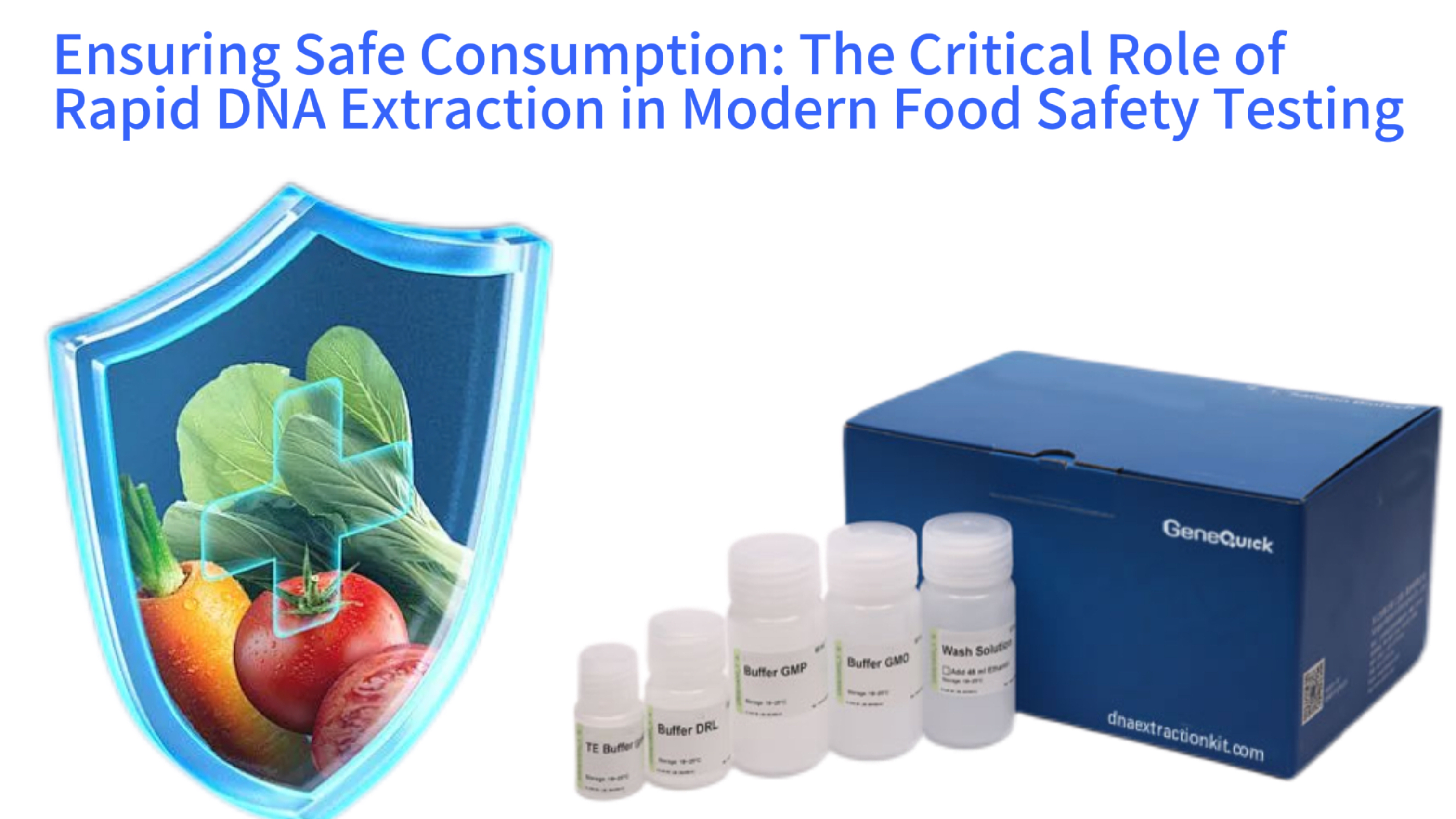
The global food supply chain is a complex network where safety is paramount. Contamination by pathogenic bacteria, viruses, or parasites poses a significant public health risk, leading to outbreaks of illness that can have severe economic and social consequences. Traditional methods for detecting these foodborne pathogens often relied on time-consuming culture-based techniques, requiring days to yield results. In today's fast-paced production and distribution environment, such delays are untenable. Modern food safety laboratories have therefore turned to molecular biology techniques, primarily Polymerase Chain Reaction (PCR), which can identify the genetic signature of a pathogen in a matter of hours. The success of this rapid detection hinges entirely on the first and most critical step: the efficient extraction of pure, inhibitor-free DNA from the challenging and diverse matrix of food samples. Among the various technologies available, spin column-based DNA extraction kits have emerged as a cornerstone for reliable, rapid, and scalable pathogen detection in food safety testing protocols.
The Imperative for Speed and Accuracy in Pathogen Detection
1. Farm Production
Raw Ingredient Testing
2. Processing
Line Monitoring
3. Transportation
Shipment Sampling
4. Distribution
Batch Testing
5. Retail/Food Service
Final Verification
| Impact Category | Consequence | Quantifiable Metric (Example) |
|---|---|---|
| Public Health | Hospitalizations, Long-Term Illness | Thousands of illnesses per outbreak |
| Economic (Producer) | Recalls, Brand Damage, Fines | Billions in losses (2011 E. coli outbreak) |
| Regulatory | Increased Scrutiny, Compliance Costs | Mandatory enhanced testing protocols |
Food safety testing is not merely a scientific procedure; it is a vital component of public health defense. Regulatory frameworks worldwide mandate rigorous testing to prevent contaminated products from reaching consumers. The key performance indicators for any testing protocol are speed, sensitivity, specificity, and reliability. A delay in results can mean the distribution of contaminated batches, while a false negative can lead to an undetected outbreak. The shift from phenotypic detection to genotypic detection via PCR was a revolution, but it introduced a new bottleneck: sample preparation. Food matrices are notoriously difficult. They contain fats, oils, proteins, carbohydrates, fibers, and often various preservatives or processing additives, all of which can interfere with downstream molecular analysis. These substances, known as PCR inhibitors, can bind to the DNA or inhibit the polymerase enzyme, leading to failed or unreliable tests. Therefore, the DNA extraction method must be robust enough to liberate target DNA from tough bacterial cell walls, such as those of Salmonella or Listeria, while simultaneously purifying it from the overwhelming background of food-derived inhibitors. The efficiency of this step directly dictates the limit of detection for the entire assay, determining whether a low-level but dangerous contamination event is caught or missed.
From Farm to Fork: A Constant Surveillance Challenge
The journey of food from its origin to the dinner plate involves numerous points where contamination can occur. Primary production on farms, processing in facilities, transportation, and even final preparation in kitchens each present unique risks. Surveillance must therefore be comprehensive, testing raw ingredients like meat, poultry, and vegetables, as well as complex processed foods like cheese, ready-to-eat meals, and sauces. Each of these sample types presents a distinct challenge for nucleic acid extraction. A method optimized for a leafy green vegetable may fail when applied to a fatty meat sample. Consequently, food safety laboratories require a flexible yet standardized extraction platform that can be adapted with minimal protocol changes. The need for high-throughput analysis is also growing, as companies test more frequently and regulators demand broader monitoring. This places a premium on extraction technologies that are not only effective but also easily integrated into workflows that can process dozens or hundreds of samples simultaneously, ensuring that testing keeps pace with production and distribution speeds.
The Economic and Health Costs of Detection Failure
The consequences of a failure in food safety testing are measured in both human health and economic loss. Foodborne illnesses lead to hospitalizations, long-term health complications, and in severe cases, death. From an economic perspective, a single contamination event can trigger massive product recalls, devastating brand reputation, and result in lawsuits and regulatory fines. The 2011 outbreak of E. coli O104:H4 in fenugreek sprouts in Europe, for example, caused thousands of illnesses and resulted in economic losses estimated in the billions of dollars. A rapid and accurate detection system acts as an early warning system. By identifying contamination at the source—be it in a shipment of raw material or on a processing line—corrective actions can be taken immediately, preventing a localized issue from becoming a widespread crisis. The DNA extraction step is the foundation of this warning system. Its reliability determines the trustworthiness of every result that follows, making the choice of extraction technology a strategic decision for any food producer or testing laboratory.
Spin Column Technology: A Mechanism Designed for Purity
1. Sample Lysis
Homogenization + Enzymatic/Detergent Lysis
2. DNA Binding
Chaotropic Salt + Silica Membrane
3. Wash Steps
Ethanol-Based Buffers (Remove Inhibitors)
4. Membrane Drying
Centrifugation (Remove Residual Ethanol)
5. DNA Elution
Low-Ionic-Strength Buffer (TE/Water)
Chaotropic Agent Role in DNA Binding
Disrupts water hydrogen-bond networks, denaturing proteins and reducing DNA solubility
Facilitates electrostatic interaction between negatively charged DNA phosphate backbone and positively charged silica
Common agents: Guanidine hydrochloride (most widely used for food sample extraction)
Spin column DNA extraction kits operate on a well-understood biochemical principle: the selective binding of nucleic acids to a silica-based membrane under specific buffer conditions. This process, often termed silica-membrane technology, is elegantly simple yet highly effective at partitioning DNA away from contaminants. The core component is a small plastic column containing a silica-gel membrane seated in a collection tube. The process is driven by centrifugation, which forces liquids through the membrane while biomolecules are retained or passed through based on their chemical properties. The fundamental advantage for food testing lies in this partitioning. The protocol is a series of buffer exchanges that progressively wash away impurities while the target DNA remains bound, resulting in an eluate that is compatible with the most sensitive downstream PCR assays. This method contrasts with older techniques like organic extraction, which uses hazardous phenol-chloroform, or simple precipitation methods, which often co-precipitate inhibitors. The spin column approach provides a safer, more consistent, and more automatable path to pure DNA, which is why it has been widely adopted in diagnostic and quality control settings where reproducibility is non-negotiable.
The Binding Chemistry: Harnessing Chaotropic Agents
The first critical phase after sample lysis is binding. Food samples are typically homogenized and then lysed using a buffer containing detergents and enzymes to break down the food matrix and rupture the cell walls of any present pathogens. To this lysate, a binding buffer is added. This buffer contains a high concentration of a chaotropic salt, such as guanidine hydrochloride. Chaotropic agents disrupt the hydrogen-bonding network of water, effectively denaturing proteins and reducing the solubility of nucleic acids. In this high-salt, low-pH environment, the phosphate backbone of the DNA becomes negatively charged and interacts with the positively charged silica membrane. The chaotropic salts facilitate this binding by removing water molecules hydrating both the DNA and the silica, allowing the nucleic acids to adsorb directly onto the solid surface. This step is highly selective; while DNA binds efficiently, many proteins, carbohydrates, and other food-derived compounds do not and are simply flow through during the first centrifugation. This initial purification is crucial for removing the bulk of PCR inhibitors commonly found in food, such as polyphenols from plants or calcium ions from dairy products.
The Wash and Elution: Refining Purity and Maximizing Recovery
Once the DNA is immobilized on the silica membrane, a series of wash steps are performed to remove any residual contaminants that may have bound non-specifically. These wash buffers typically contain ethanol or isopropanol and a moderate salt concentration. They serve to maintain DNA binding while solubilizing and removing salts, residual proteins, lipids, and cellular debris. The ethanol-based washes are particularly effective at removing traces of fats and oils, a common component of many food samples that can severely inhibit PCR. After the final wash, a brief centrifugation or vacuum step is often used to dry the membrane completely, ensuring all ethanol is evaporated. Residual ethanol can interfere with subsequent reactions. The final step is elution. A low-ionic-strength buffer, such as Tris-EDTA (TE) or nuclease-free water, is applied to the membrane. This buffer has a neutral or slightly alkaline pH, which disrupts the electrostatic interaction between the DNA and the silica. The DNA dissolves into the small volume of elution buffer, yielding a concentrated, pure sample ready for analysis. The entire process, from lysate to eluted DNA, can often be completed in 20 to 40 minutes, fulfilling the requirement for rapid turnaround in food safety testing.
Optimizing Spin Column Protocols for Diverse Food Matrices
| Food Matrix Type | Key Inhibitors/Challenges | Optimization Strategies |
|---|---|---|
| Fatty/Protein-Rich (Meat, Cheese, Butter) | Lipids, emulsions, high protein load |
|
| Plant-Based/Spices (Greens, Herbs, Spices) | Polyphenols, tannins, polysaccharides (cellulose/pectin) |
|
| Processed Foods (Sauces, Ready-to-Eat Meals) | Preservatives, high salt, mixed inhibitors |
|
Sample Homogenization
Matrix Pre-Treatment
Defat/Polyphenol Bind/Dilute
Standard Spin Column Extraction
While the core spin column protocol is universal, its successful application to food safety testing requires thoughtful optimization for different sample types. A one-size-fits-all approach can lead to suboptimal DNA yield or purity. The primary challenges vary: fatty meats and dairy products introduce lipids, spices and plants contain complex polyphenols and polysaccharides, and processed foods may have high salt or additive content. The initial sample preparation is therefore as important as the extraction itself. For solid foods like meat, vegetables, or processed food, a thorough homogenization in a stomacher or using bead beating is essential to create a uniform slurry and mechanically disrupt tough microbial cells. For liquid samples like milk or juice, a centrifugation step to pellet microbial cells can concentrate the target and remove some liquid-phase inhibitors. Many specialized kits or protocol addenda include pre-wash steps. For instance, washing a leafy green sample with a mild buffer before lysis can remove some surface contaminants and chlorophyll, a known PCR inhibitor. The key is to remove as much of the interfering food matrix as possible before the lysate is applied to the spin column, allowing the silica membrane to focus on purifying the nucleic acids from a less complex mixture.
Addressing Fatty and Protein-Rich Samples
Samples such as ground beef, cheese, or butter present a high load of fats and proteins. These components can coat the silica membrane, blocking binding sites and leading to poor DNA recovery. They can also form emulsions during lysis, making pipetting inaccurate. To address this, protocol adjustments often involve the use of specific lysis buffers containing stronger detergents or proteinase K for extended digestion times to break down the protein matrix. Some protocols incorporate an initial step where the homogenized sample is mixed with an organic solvent or a detergent solution to defat it before proceeding to the standard lysis. Furthermore, during the spin column process, ensuring that wash buffers contain sufficient ethanol and that the membrane is adequately dried after the final wash is critical to remove any carried-over lipid residues. The purity of DNA extracted from such samples is paramount, as even trace amounts of fat can compromise the efficiency of PCR reactions targeting pathogens in dairy or meat products.
Managing Inhibitors from Plant-Based and Spiced Foods
Fresh produce, herbs, and spices are another major category in food testing. These samples are rich in complex carbohydrates (like cellulose and pectin) and secondary metabolites like polyphenols and tannins. During lysis, these compounds can oxidize and bind covalently to DNA, co-purify with it, and inhibit downstream enzymes. A common and effective strategy is the inclusion of a precipitating agent in the lysis buffer. Polyvinylpyrrolidone (PVP) is often added to bind and precipitate polyphenols, preventing them from interfering. For samples with high polysaccharide content, an additional centrifugation step after lysis but before binding can pellet these large molecules. The supernatant, containing the DNA, is then transferred to the spin column. The binding conditions themselves may also be adjusted; increasing the volume or concentration of the chaotropic binding buffer can improve the efficiency of DNA capture in the presence of these challenging compounds. Successful extraction from these matrices ensures reliable detection of pathogens like Escherichia coli O157:H7 on leafy greens or Salmonella on spices.
Integration with Downstream PCR Detection and Method Validation
| Validation Metric | Regulatory Threshold (Example) | Measurement Method |
|---|---|---|
| Limit of Detection (LOD) | 1-10 CFU per 25g of sample | Serial dilution of spiked samples + qPCR |
| PCR Inhibition Rate | 0% (no inhibition of IPC) | Internal Positive Control (IPC) co-amplification |
| Reproducibility | CV < 5% for Ct values | Triplicate testing of same sample batch |
| Multiplex Compatibility | Detection of ≥3 pathogens simultaneously | Multiplex qPCR with pathogen-specific primers |
DNA Extraction (Spin Column)
DNA Quality Check
qPCR/dPCR Setup
Amplification & Detection
Result Validation
Reporting (ISO 17025)
The ultimate goal of the extraction is to provide DNA suitable for sensitive and specific PCR analysis. Modern food pathogen detection often uses real-time quantitative PCR (qPCR) or digital PCR (dPCR). These techniques are exquisite in their sensitivity but are equally susceptible to inhibition. The performance of a spin column extraction protocol is therefore validated not in isolation, but by the success of the downstream PCR assay. Key metrics for validation include the Limit of Detection (LOD), which is the smallest number of colony-forming units (CFU) that can be reliably detected per gram of food, and the PCR inhibition rate, measured using an internal positive control (IPC). A well-optimized spin column method for a given food matrix should yield DNA that allows detection of pathogens at regulatory thresholds, which can be as low as 1-10 CFU per 25g of sample in some cases, without inhibiting the IPC. Furthermore, the DNA should be of sufficient quality to support multiplex PCR assays that detect several pathogens simultaneously, a common requirement for broad-spectrum screening. The reproducibility of the entire workflow, from extraction to PCR result, is critical for laboratory accreditation under standards like ISO/IEC 17025.
Quantitative Accuracy and Standardization
Beyond mere detection, quantitative information about the pathogen load can be crucial for risk assessment. For this, the DNA extraction must not only be pure but also provide a consistent and representative recovery of DNA across a wide range of bacterial concentrations. This means the efficiency of cell lysis and DNA binding must be high and uniform. Spin column kits demonstrate good linearity in this regard, allowing qPCR cycle threshold (Ct) values to be correlated back to an approximate starting microbial load. Standardization is achieved by using validated kits and strictly adhering to protocols. Many laboratories also use process controls, such as adding a known quantity of a non-pathogenic surrogate organism to the sample at the beginning of extraction. By measuring the recovery of this control via PCR, technicians can monitor the performance of each extraction batch, ensuring that any negative result is a true negative and not a failure of the extraction process. This level of quality control is essential for defensible results in both industrial and regulatory contexts.
Meeting Regulatory and Industry Standards
Food safety testing is a regulated field. Methods used by official control laboratories often need to be validated against international standards. Organizations like the International Organization for Standardization (ISO) and the U.S. Food and Drug Administration (FDA) Bacteriological Analytical Manual (BAM) publish reference methods for pathogen detection. An increasing number of these reference methods explicitly specify or are compatible with spin column DNA extraction as part of a molecular detection workflow. For example, methods for detecting Listeria monocytogenes or Salmonella species often include a recommendation for commercial DNA extraction kits that have demonstrated performance in collaborative studies. Using a spin column kit that is cited in or compatible with these standard methods simplifies method validation for laboratories and ensures that results are recognized by trading partners and regulatory bodies globally. This formal recognition underscores the technology's reliability and its central role in modern food safety infrastructure.
Comparative Landscape: Spin Columns Versus Alternative Extraction Technologies
| Feature | Spin Columns | Magnetic Beads | Direct PCR |
|---|---|---|---|
| Inhibitor Removal Efficacy | Excellent (Complex Matrices) | Good (Moderate Matrices) | Poor (High Inhibitor Load) |
| Throughput | Medium (96-well Compatible) | High (Fully Automated) | Very High (No Purification) |
| LOD (Limit of Detection) | 1-10 CFU/25g (Regulatory Grade) | 5-20 CFU/25g | 100+ CFU/25g (High Load Only) |
| Cost per Sample | Moderate ($1.5-$3.0) | High ($3.0-$5.0) | Low ($0.5-$1.0) |
| Regulatory Acceptance | Full (ISO/FDA/BAM) | Partial (Case-by-Case) | Limited (Screening Only) |
Testing Requirement
Screening vs Definitive
Sample Complexity
Low/High Inhibitors
Throughput Needs
Low/Medium/High
Technology Selection
Spin Column (Gold Std)
While spin columns are prevalent, they are not the only option for food pathogen DNA extraction. Magnetic bead-based extraction and, more recently, direct PCR technologies are also used. Each platform has distinct advantages and trade-offs concerning throughput, automation, cost, and suitability for different sample types. Spin column technology occupies a strategic middle ground. Compared to magnetic beads, which are superb for very high-throughput, liquid-handler automation, traditional spin columns are often perceived as more manual. However, the availability of vacuum manifolds and compact centrifuges for 96-well plate formats has significantly increased the throughput of spin column workflows, making them competitive for medium-to-high throughput labs. The primary advantage of spin columns over magnetic beads for complex food samples can be the physical separation provided by the membrane. In magnetic bead protocols, beads are mixed with the crude lysate, potentially allowing inhibitors to remain in close proximity throughout the wash steps. The spin column's flow-through design may offer a more complete partition of contaminants in samples with very high inhibitor loads.
The Rise of Direct PCR and Its Implications
A significant trend in the field is the development of "direct PCR" or "inhibition-tolerant" master mixes and sample prep protocols. These approaches aim to bypass the DNA extraction step entirely by using a simple heating or rapid lysis step to release DNA, followed by a PCR that is chemically buffered against common food inhibitors. This approach offers unparalleled speed and simplicity. However, its application is currently limited. It works best for relatively clean samples or for detecting high pathogen loads. For low-level contamination in complex, inhibitor-rich matrices—the very scenario most critical for food safety—a purification step remains essential. Direct PCR methods can suffer from higher limits of detection and increased rates of false negatives due to residual inhibition. Therefore, while direct PCR is a valuable tool for certain rapid screening applications, spin column extraction continues to be the gold standard for definitive, sensitive, and regulatory-grade testing where result certainty cannot be compromised. The technology provides a necessary depth of purification that direct methods currently cannot match for the full spectrum of food sample challenges.
Cost-Benefit Analysis for the Testing Laboratory
The choice of extraction technology also involves economic considerations. Spin column kits have a known per-sample cost based on consumables (columns, tubes, reagents). While this cost is higher than that of homemade reagents, it is offset by significant savings in labor time, improved consistency, and reduced risk of cross-contamination. The standardization offered by commercial kits reduces training time for technicians and minimizes protocol optimization work. For laboratories processing a mix of sample types daily, from raw meat to bagged vegetables, the flexibility and proven performance of spin column kits across this range provide operational reliability. The ability to process batches of samples in parallel, rather than sequentially, also improves laboratory efficiency. When calculating total cost, laboratories must factor in the potential cost of a recall due to a testing error. The robustness and proven track record of spin column extraction in delivering inhibitor-free DNA for PCR represent a valuable insurance policy against such catastrophic failures.
Implementing a Robust Spin Column-Based Food Safety Workflow
1. Sample Receipt & Logging
2. Matrix-Specific Prep
3. Spin Column Extraction
4. Quality Control Checks
5. qPCR Detection
6. Data Analysis & LIMS
7. Reporting & Action
Critical Contamination Control for Spin Column Workflows
| Control Measure | Purpose |
|---|---|
| Separate pre/post-PCR workspaces | Prevent amplicon carryover contamination |
| Aerosol-resistant pipette tips | Eliminate cross-contamination between samples |
| Negative extraction controls per batch | Monitor environmental contamination during extraction |
| Process controls (surrogate organism spiking) | Validate extraction efficiency for each sample batch |
Establishing a reliable food pathogen testing program requires more than just selecting a kit; it involves building an integrated workflow from sample receipt to final report. The spin column extraction is the core sample preparation module within this workflow. Implementation begins with defining the scope: which pathogens will be targeted and from which food matrices. This determines the necessary lysis conditions and any specific pre-treatment steps. The laboratory must then conduct an in-house validation of the chosen spin column protocol for each sample type, spiking samples with known, low levels of target pathogens and confirming consistent detection and absence of PCR inhibition. Standard Operating Procedures (SOPs) must be written in detail, covering every step from sample weighing and homogenization to the final elution of DNA. These SOPs must also integrate strict contamination control measures, including the use of separate workspaces for pre- and post-PCR activities, the use of aerosol-resistant pipette tips, and the inclusion of negative extraction controls (blank samples processed identically) in every batch to monitor for environmental contamination.
Workflow Integration and Data Management
In a modern laboratory, the spin column extraction step is often integrated with automated liquid handlers for reagent dispensing or even for the entire purification process in a 96-well plate format. This integration improves precision, increases throughput, and reduces repetitive strain for technicians. The eluted DNA is then typically transferred directly to a PCR plate for setting up the detection reaction. Proper labeling and tracking of samples throughout this chain are critical. Many laboratories use Laboratory Information Management Systems (LIMS) to track each sample from log-in, through extraction batch number, to PCR plate well location and final result. This creates a seamless, auditable trail that is essential for quality assurance and for investigating any anomalous results. The reliability of the spin column step ensures that the data generated downstream is a true reflection of the sample, not an artifact of the preparation process.
Continuous Improvement and Staying Current
The field of food safety and molecular biology is dynamic. New pathogen strains emerge, food products evolve, and extraction technologies are refined. A successful laboratory maintains a program of continuous improvement. This includes periodic re-validation of methods, especially when introducing a new food matrix, and staying informed about updates to commercial spin column kits or new buffer formulations that may offer better performance for specific challenges, such as removing inhibitors from complex spices or high-fat chocolates. Participation in proficiency testing schemes, where samples of unknown content are analyzed, provides an external benchmark for the entire workflow, including the extraction efficiency. By anchoring their testing protocol on the robust foundation of spin column DNA extraction, food safety laboratories can confidently adapt to new challenges, ensuring they continue to provide the rapid, accurate, and reliable results that protect public health every day.