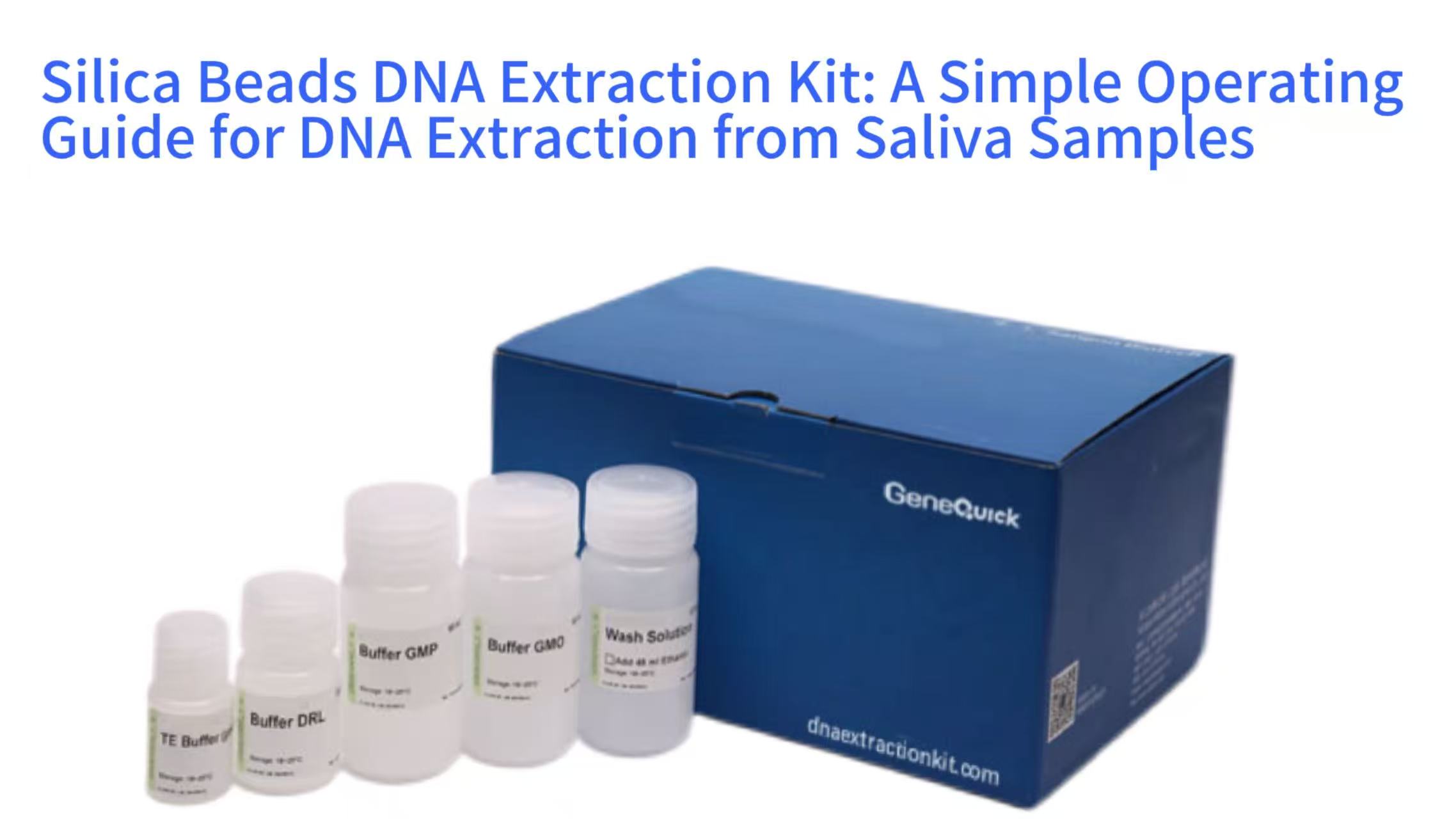
Saliva DNA Extraction Workflow with Silica Beads
| Sample Collection | → | Sample Pretreatment & Lysis | → | DNA Binding to Silica Beads | → | Washing & Purification | → | Elution | → | Quality Assessment |
Silica beads DNA extraction technology provides an efficient and reliable method for obtaining high-quality genetic material from saliva samples, making it particularly suitable for clinical diagnostics, genetic testing, and research applications. This comprehensive guide details the complete workflow from sample collection through DNA purification, emphasizing the specific considerations for saliva as a biological matrix. The silica beads method leverages the selective binding of DNA to silica surfaces under specific chemical conditions, enabling separation from proteins, carbohydrates, and other cellular components present in saliva. Understanding the principles and optimal procedures ensures consistent results whether processing individual samples for personalized medicine applications or multiple samples for population studies.
Understanding Saliva as a DNA Source
Saliva represents a complex biological fluid containing epithelial cells, leukocytes, bacteria, enzymes, mucins, and food debris that collectively influence DNA extraction efficiency and quality. The cellular composition varies significantly between individuals based on oral health, collection method, and time of day, creating inherent variability that extraction protocols must accommodate. Proper handling and processing of saliva samples maximize DNA yield and purity while minimizing degradation and contamination.
Key Components of Human Saliva for DNA Extraction
| Component Type | Concentration | Impact on DNA Extraction |
|---|---|---|
| Buccal Epithelial Cells | 0.1–1 million/mL | Primary source of human nuclear DNA |
| Bacterial Cells | Up to 100 million/mL | Background DNA; potential interference |
| Amylase/Lysozyme | Variable (mg/mL range) | DNA degradation risk if not stabilized |
| Mucins | ~1–5 mg/mL | Increases viscosity; complicates processing |
Saliva Composition and Cellular Content
Human saliva typically contains 0.1 to 1 million human cells per milliliter, with the majority being buccal epithelial cells shed from the oral mucosa. These cells contain nuclear DNA suitable for genetic analysis, though the DNA quantity per cell varies based on cellular integrity and degradation. Saliva also contains white blood cells during oral inflammation or tissue damage, potentially increasing human DNA yield. The bacterial content can reach 100 million cells per milliliter, creating background DNA that may interfere with human-specific analyses if not properly addressed during extraction.
The liquid component of saliva contains enzymes like amylase and lysozyme that can degrade DNA if samples are not stabilized promptly. Mucins create viscosity that complicates pipetting and sample processing, while food particles and oral debris introduce potential PCR inhibitors. Understanding these components informs protocol adjustments for optimal DNA recovery. The ratio of human to bacterial DNA varies significantly between individuals and collection methods, with some studies reporting human DNA percentages ranging from 10% to 90% of total extracted DNA depending on collection technique and oral health status.
Optimal Collection Methods for DNA Extraction
Saliva collection for DNA extraction typically employs either passive drooling into collection tubes or use of specialized collection devices containing preservation buffers. Passive drooling provides larger sample volumes but requires immediate processing or freezing to prevent DNA degradation. Commercially available saliva collection kits incorporate stabilizing solutions that prevent bacterial growth, inhibit nucleases, and maintain DNA integrity at room temperature for extended periods, simplifying transportation and storage.
Collection timing influences DNA yield and quality, with morning collections often containing higher cellular content due to overnight epithelial cell accumulation. Participants should avoid eating, drinking, or smoking for at least 30 minutes before collection to minimize food particles and potential inhibitors. For clinical genetic testing applications, standardized collection protocols ensure consistency across multiple sampling events and different healthcare providers. The collection method should align with the intended extraction technology, as viscous raw saliva may require different processing than preserved samples in stabilization buffer.
Sample Storage and Transportation Considerations
Proper sample handling before extraction critically impacts DNA quality and subsequent analytical success. Unpreserved saliva samples should be processed immediately or frozen at -20°C or lower to prevent DNA degradation from bacterial and enzymatic activity. Frozen samples require thorough mixing after thawing to resuspend settled cells, though repeated freeze-thaw cycles should be avoided as they accelerate DNA fragmentation.
Stabilized saliva samples in preservation buffer typically maintain DNA integrity for weeks at room temperature, facilitating mailing and storage without specialized equipment. The stabilization chemistry in these systems inactivates nucleases and prevents microbial growth while maintaining cellular integrity for subsequent extraction. For long-term storage, even preserved samples benefit from refrigeration or freezing, particularly for archival purposes in biobanking applications. Documentation of storage conditions and duration enables appropriate interpretation of extraction results, especially for quantitative applications where degradation might influence measurements.
Silica Beads Technology Principles
Silica beads DNA extraction operates through specific chemical and physical interactions between DNA molecules and silica surfaces under controlled buffer conditions. The process leverages the differential affinity of nucleic acids for silica in the presence of chaotropic salts, enabling selective binding while proteins and other contaminants are removed. Understanding these fundamental principles facilitates troubleshooting and protocol optimization for challenging samples or specific downstream applications.
DNA Binding vs. Elution Conditions with Silica Beads
| Parameter | Binding Phase | Elution Phase |
|---|---|---|
| Salt Concentration | 4–6 M (Chaotropic salts: GuHCl/GuSCN) | Low ionic strength (Tris-EDTA/water) |
| pH | 6.0–7.5 | 8.0–8.5 (Alkaline) |
| Temperature | Room temperature (20–25°C) | 50–70°C (Enhances elution) |
| Key Interaction | Hydrogen bonding + charge shielding | Rehydration + electrostatic repulsion |
DNA Binding Mechanism to Silica Surfaces
The binding of DNA to silica surfaces occurs through multiple molecular interactions, primarily hydrogen bonding between negatively charged DNA phosphate groups and silanol groups on the silica surface. Chaotropic salts in the binding buffer disrupt water structure, reduce hydration shells around molecules, and promote nucleic acid adsorption to silica by eliminating competing water molecules. High salt concentrations further facilitate binding by shielding the negative charges of both DNA and silica, reducing electrostatic repulsion that would otherwise prevent close contact.
The efficiency of DNA binding depends on several factors including silica surface chemistry, bead size and porosity, salt concentration, pH, and DNA size. Optimized silica beads for DNA extraction feature controlled pore sizes that accommodate DNA molecules while excluding larger contaminants. The binding capacity varies with bead surface area, with smaller beads providing greater surface area per volume but potentially complicating complete recovery during washing steps. Modern silica bead formulations achieve binding capacities exceeding 50 micrograms of DNA per milligram of beads, sufficient for typical saliva samples containing 1-50 micrograms of total DNA.
Chemical Conditions for Optimal Binding and Elution
DNA binding to silica beads requires specific chemical conditions typically achieved through chaotropic salt solutions at concentrations between 4-6 M. Guanidine hydrochloride and guanidine thiocyanate represent the most effective chaotropes, disrupting hydrogen-bonded water networks while simultaneously denaturing proteins that might otherwise compete for binding sites. The binding buffer pH typically ranges from 6 to 7.5, optimizing the charge state of both DNA and silica surfaces for maximum interaction.
Elution of purified DNA occurs under low ionic strength conditions that weaken the DNA-silica interaction. Tris-EDTA buffer or nuclease-free water at slightly alkaline pH (8.0-8.5) facilitates efficient DNA release by restoring electrostatic repulsion and rehydrating both surfaces. Elevated temperature during elution, typically 50-70°C, further promotes complete DNA recovery by increasing molecular motion and disrupting hydrogen bonds. The elution volume influences final DNA concentration, with smaller volumes yielding higher concentrations but potentially leaving some DNA bound to beads, while larger volumes maximize recovery at the expense of concentration.
Comparison with Other Solid-Phase Methods
Silica beads technology shares fundamental principles with spin column-based extraction, both relying on silica-DNA interactions under chaotropic conditions. The key distinction lies in the format: silica beads remain in suspension throughout the binding and washing steps, while spin columns utilize fixed silica membranes. This suspended format provides greater surface area for DNA binding and more efficient interaction with DNA in solution, particularly beneficial for viscous samples like saliva where diffusion limitations can reduce spin column efficiency.
Compared to magnetic bead systems, silica beads require centrifugation for separation rather than magnetic capture, making them less amenable to full automation but eliminating potential issues with magnetic bead aggregation or incomplete resuspension. Silica beads typically offer higher binding capacity per cost compared to magnetic systems, making them economically favorable for processing large sample numbers. The silica beads format for saliva samples provides particular advantages for samples with high mucin content, as the continuous mixing during binding overcomes viscosity limitations that might reduce efficiency in other formats.
Materials and Equipment Preparation
Successful DNA extraction from saliva using silica beads requires proper preparation of reagents, equipment, and workspace to ensure consistent results and prevent contamination. Advance preparation streamlines the extraction process and minimizes technical errors that could compromise DNA quality or yield. The specific requirements vary based on whether using commercial kits with pre-formulated reagents or laboratory-developed methods requiring buffer preparation.
Essential Reagents
-
• Lysis Buffer (Detergent + Chaotropic salts + Proteinase K)
-
• Binding Buffer (4–6 M GuHCl/GuSCN)
-
• Wash Buffer 1 (Reduced chaotropic salt)
-
• Wash Buffer 2 (70–80% Ethanol)
-
• Elution Buffer (Tris-EDTA pH 8.0–8.5 or nuclease-free water)
Key Equipment
-
• Centrifuge (10,000–15,000 x g)
-
• Heating block/water bath (56°C, 65–70°C)
-
• Vortex mixer & tube rotator
-
• Aerosol-resistant pipettes/tips
-
• Spectrophotometer/fluorometer (for quantification)
Essential Reagents and Their Functions
Complete saliva DNA extraction using silica beads requires several key reagents each serving specific functions in the purification process. Lysis buffer typically contains detergents to disrupt cell membranes, chaotropic salts to promote DNA binding, and sometimes proteinase K to digest proteins and release DNA from nuclear structures. The binding buffer adjusts salt concentration to optimal levels for DNA-silica interaction, while wash buffers remove contaminants without eluting bound DNA. Elution buffer provides low ionic strength conditions that release pure DNA from the silica surface.
Commercial extraction kits provide pre-optimized reagents with quality control testing to ensure lot-to-lot consistency. For laboratory-prepared reagents, strict quality control measures include verification of pH, salt concentration, and absence of DNase contamination. Proteinase K activity should be confirmed periodically, particularly if digesting difficult samples or processing large volumes. Ethanol concentrations in wash buffers require precise preparation, as deviations can either inefficiently remove contaminants or prematurely elute DNA. All reagents should be stored according to manufacturer recommendations or established laboratory protocols to maintain stability and performance.
Laboratory Equipment Requirements
The silica beads extraction method requires standard laboratory equipment available in most molecular biology facilities. A centrifuge capable of generating 10,000-15,000 x g forces is essential for pelleting beads during wash steps and for initial sample clarification. Microcentrifuges accommodate standard 1.5-2.0 mL tubes, while higher throughput applications may require multiwell plate rotors. Temperature-controlled incubation equipment, typically water baths or heating blocks, maintains optimal temperatures for lysis and elution steps.
Vortex mixers ensure complete resuspension of silica beads during binding and washing steps, while tube rotators or shaking incubators provide continuous mixing during extended binding periods. Accurate pipettes covering volumes from 1 μL to 1 mL enable precise reagent addition and sample handling. For laboratories processing numerous saliva samples, automated liquid handling systems can improve throughput and consistency, though manual processing remains entirely feasible. Additional useful equipment includes spectrophotometers or fluorometers for DNA quantification, thermal cyclers for downstream PCR applications, and electrophoresis systems for quality assessment.
Workspace Organization and Contamination Prevention
Proper workspace preparation minimizes cross-contamination between samples and prevents introduction of external DNA that could compromise results. Dedicated DNA extraction areas separate from amplification and post-PCR spaces prevent amplicon contamination. Surface decontamination using DNA-degrading solutions like dilute bleach or commercial DNA removal agents should precede extraction workflows. Use of aerosol-resistant pipette tips throughout the procedure prevents cross-contamination between samples.
Organization of reagents in logical workflow order streamlines the extraction process and reduces opportunities for error. All tubes should be clearly labeled with sample identifiers before beginning extraction. Personal protective equipment including laboratory coats and gloves should be worn throughout the procedure and changed between different sample batches. For clinical or forensic applications requiring chain of custody documentation, additional measures include witness signatures, batch records, and secure sample storage. These organizational practices ensure both technical success and regulatory compliance when applicable.
Step-by-Step Extraction Procedure
The actual DNA extraction process follows a logical sequence of cell lysis, DNA binding, washing, and elution, with specific considerations for saliva's unique properties. Careful execution of each step ensures maximum DNA yield and purity while maintaining DNA integrity for downstream applications. The procedure typically requires 60-90 minutes from sample to purified DNA, though specific timing depends on sample volume, incubation periods, and centrifugation parameters.
Detailed Extraction Protocol
-
Step 1: Sample Pretreatment
Raw saliva: Centrifuge (2,500 x g, 10 min) → discard supernatant; Preserved saliva: Vortex to homogenize. -
Step 2: Lysis
Add lysis buffer + Proteinase K → Incubate (56°C, 30–60 min) → Centrifuge to remove debris. -
Step 3: DNA Binding
Mix lysate + binding buffer + silica beads → Incubate (10–30 min, mixing) → Centrifuge (10,000 x g, 1–2 min) → discard supernatant. -
Step 4: Washing
Resuspend beads in Wash Buffer 1 → Centrifuge → discard; Repeat with Wash Buffer 2 → Air-dry pellet. -
Step 5: Elution
Add elution buffer → Incubate (65–70°C, 5–10 min) → Centrifuge → collect supernatant (purified DNA).
Sample Pretreatment and Lysis
Saliva samples often require pretreatment before DNA extraction to reduce viscosity and ensure efficient lysis. For raw saliva without preservation buffer, centrifugation at 2,500 x g for 10 minutes separates cells from soluble components. The supernatant containing mucins and soluble inhibitors can be discarded, while the cell pellet proceeds to lysis. For preserved saliva in collection devices, brief vortexing ensures homogeneous cell distribution before aliquoting the recommended volume for extraction.
Lysis begins with addition of lysis buffer containing detergents to disrupt cell membranes and nuclear envelopes. For saliva samples, proteinase K is typically included to digest structural proteins and release DNA efficiently. Incubation at 56°C for 30-60 minutes completes cell disruption and protein digestion, with occasional vortexing to maintain sample homogeneity. Following lysis, brief centrifugation sediments any insoluble debris, and the supernatant containing DNA transfers to a fresh tube for the binding step. Complete lysis is essential for maximum DNA recovery, particularly from buccal epithelial cells with robust membrane structures.
DNA Binding to Silica Beads
The binding step combines the cleared lysate with binding buffer and silica beads under conditions that promote selective DNA adsorption. Addition of binding buffer adjusts the salt concentration to optimal levels, typically 4-6 M guanidine hydrochloride, while isopropanol or ethanol may be included to enhance binding efficiency. Silica beads are added as a suspension, with thorough mixing ensuring contact between DNA and bead surfaces.
Binding proceeds during a 10-30 minute incubation with continuous or intermittent mixing to maintain beads in suspension. Tube rotators or occasional manual inversion provide adequate mixing without causing excessive foaming or mechanical DNA shearing. The binding efficiency depends on contact time and mixing efficiency, with longer periods potentially increasing yield but extending total processing time. Following binding, centrifugation at 10,000-15,000 x g for 1-2 minutes pellets the beads with bound DNA, allowing removal of the supernatant containing proteins, inhibitors, and other contaminants.
Washing and Purification Steps
Wash steps remove residual contaminants while maintaining DNA binding to the silica beads. Typically, two wash procedures using different buffers progressively improve DNA purity. The first wash often contains chaotropic salts similar to the binding buffer but at reduced concentration, removing most proteins and salts while keeping DNA bound. The second wash typically uses ethanol-based buffer (70-80%) to remove residual salts and organic compounds without eluting DNA.
Each wash step involves resuspending the bead pellet in wash buffer by vortexing or pipetting, followed by incubation for 2-5 minutes to dissolve and remove contaminants. Centrifugation after each wash pellets the beads, allowing complete removal of wash supernatant. Careful aspiration without disturbing the bead pellet is essential, particularly as the pellet may be barely visible after the first wash. Following the final wash, a brief additional centrifugation collects residual liquid at the tube bottom, which should be removed completely as residual ethanol can inhibit downstream enzymatic reactions.
DNA Elution and Storage
Elution releases purified DNA from silica beads into a small volume of low-ionic-strength buffer. Elution buffer, typically Tris-EDTA (pH 8.0-8.5) or nuclease-free water, is added directly to the washed bead pellet. Thorough resuspension ensures contact between beads and elution buffer, while incubation at 65-70°C for 5-10 minutes enhances elution efficiency by disrupting hydrogen bonds between DNA and silica.
Following incubation, centrifugation at maximum speed for 2-5 minutes pellets the silica beads, leaving purified DNA in the supernatant. Careful transfer of the supernatant to a fresh tube avoids carrying over any beads that could interfere with downstream applications. The elution volume influences final DNA concentration, with typical volumes of 50-200 μL balancing concentration needs against complete recovery. For research applications requiring long-term storage, DNA solutions should be kept at -20°C, though repeated freeze-thaw cycles should be minimized to prevent degradation.
Quality Assessment and Quantification
Evaluating the success of DNA extraction involves measuring DNA quantity, assessing purity, and confirming integrity suitable for intended downstream applications. Multiple complementary methods provide comprehensive quality assessment, with the specific approach depending on application requirements and available instrumentation.
Comparison of DNA Quality Assessment Methods
| Method | Measures | Key Metrics | Sensitivity | Limitations |
|---|---|---|---|---|
| Spectrophotometry (A260/A280) | Concentration + Purity | A260/A280 (1.8–2.0); A260/A230 (>2.0) | ~50 ng/μL | Cannot distinguish DNA/RNA; no integrity data |
| Fluorometry (PicoGreen) | Specific dsDNA concentration | Fluorescence intensity vs. standard | ~1–10 pg/μL | No purity/integrity assessment |
| Agarose Gel Electrophoresis | Integrity + Size distribution | High-molecular-weight band (no smearing) | ~10 ng | Semi-quantitative; labor-intensive |
Spectrophotometric Analysis
UV spectrophotometry provides rapid assessment of DNA concentration and purity through absorbance measurements at specific wavelengths. The A260 measurement quantifies DNA based on absorbance by nucleotide bases, with 1 A260 unit corresponding to approximately 50 μg/mL for double-stranded DNA. The A260/A280 ratio indicates protein contamination, with values between 1.8 and 2.0 suggesting minimal protein presence. The A260/A230 ratio assesses salt or organic compound carryover, with values above 2.0 indicating acceptable purity.
Modern microvolume spectrophotometers require only 1-2 μL of sample, conserving precious extracts while providing accurate measurements. These instruments automatically calculate concentrations and purity ratios, with some models additionally estimating contamination from specific compounds like phenol or guanidine. While spectrophotometry offers convenience and speed, it cannot distinguish between DNA and RNA, potentially overestimating DNA concentration in partially degraded samples. The method also provides no information about DNA size distribution or integrity, requiring supplemental analysis for complete quality assessment.
Fluorometric Quantification
Fluorometric methods using DNA-binding dyes offer superior specificity and sensitivity compared to spectrophotometry, particularly for dilute samples or those containing significant contaminants. Fluorescent dyes like PicoGreen selectively bind double-stranded DNA, with fluorescence intensity proportional to DNA concentration. This approach detects DNA specifically, unlike spectrophotometry that measures all nucleic acids, and remains accurate in the presence of common contaminants that affect absorbance readings.
Fluorometric quantification requires appropriate standards covering the expected concentration range of samples. Most systems utilize microplate formats, enabling high-throughput analysis of multiple samples simultaneously. Modern fluorometers often include pre-programmed assays for common DNA quantification dyes, automatically calculating concentrations based on standard curves. The method typically detects down to 1-10 pg/μL DNA concentrations, making it suitable for samples with low cellularity or limited starting material. While providing excellent quantification, fluorometry offers no direct information about DNA purity or integrity.
Gel Electrophoresis for Integrity Assessment
Agarose gel electrophoresis visually assesses DNA integrity, size distribution, and confirms absence of significant degradation. High-quality genomic DNA appears as a tight high-molecular-weight band near the well, with smearing below indicating degradation. RNA contamination manifests as a diffuse low-molecular-weight smear, while protein contamination may cause trapping in the well or irregular band migration.
Electrophoresis requires minimal equipment and provides information complementary to spectrophotometric and fluorometric methods. Ethidium bromide or safer alternatives like SYBR Safe stain visualize DNA under UV light, with band intensity offering semi-quantitative concentration estimation when compared to DNA standards of known concentration. While not typically used for routine quantification, electrophoresis remains valuable for troubleshooting extractions, assessing samples for long-range PCR or other applications requiring high-molecular-weight DNA, and confirming successful extraction before proceeding to valuable downstream applications.
Troubleshooting Common Issues
Despite standardized protocols, DNA extraction from saliva can encounter various challenges requiring specific troubleshooting approaches. Understanding the potential issues and their solutions ensures consistent success across different sample types and conditions.
Troubleshooting Guide
| Issue | Potential Causes | Solutions |
|---|---|---|
| Low DNA Yield | Incomplete lysis; poor binding; inefficient elution | Extend lysis time; verify binding buffer salt concentration; increase elution temp/time |
| Poor Purity (A260/A280<1.8) | Protein contamination; insufficient washing | Add extra wash step; increase Proteinase K concentration |
| PCR Inhibition | Salt/ethanol carryover; mucin contamination | Dry pellet completely; dilute DNA; use inhibitor-tolerant polymerase |
| DNA Degradation | Delayed processing; freeze-thaw cycles | Use preservation buffer; minimize freeze-thaw; process samples promptly |
Low DNA Yield
Insufficient DNA recovery can result from multiple factors including inadequate cell collection, incomplete lysis, suboptimal binding conditions, or inefficient elution. Verification of initial cellularity through microscopy or alternative quantification methods determines whether low yield reflects limited starting material or extraction inefficiency. For samples with apparent adequate cellularity, extending lysis time, increasing proteinase K concentration, or incorporating additional mechanical disruption may improve release of DNA from nuclei.
Binding efficiency depends on proper salt concentration and mixing during the binding step. Verification of binding buffer composition and freshness ensures optimal conditions. Inadequate mixing during binding reduces DNA-bead contact, particularly important for viscous saliva samples. Elution volume and conditions significantly influence measured yield, with smaller volumes increasing concentration but potentially leaving DNA bound to beads. For consistently low yields across multiple samples, systematic evaluation of each step identifies the limiting factor, with spike-in controls sometimes helpful for quantifying recovery efficiency.
Poor DNA Purity
Contaminants co-purifying with DNA can inhibit downstream applications, with different contaminants suggesting specific issues in the extraction process. Low A260/A280 ratios indicate protein contamination, potentially resulting from incomplete lysis, insufficient proteinase K digestion, or inadequate washing. Increasing lysis time or temperature, verifying proteinase K activity, or adding additional wash steps typically improves protein removal.
Low A260/A230 ratios suggest carryover of salts, alcohols, or other small molecules from extraction buffers. Ensuring complete removal of wash solutions, particularly the final ethanol-based wash, minimizes salt contamination. Additional centrifugation steps after the final wash or extended air-drying of the bead pellet evaporates residual ethanol, though excessive drying can reduce DNA elution efficiency. For saliva samples specifically, mucins and bacterial polysaccharides represent common contaminants that may require specialized wash buffers or modified protocols for complete removal.
Downstream Application Failures
Sometimes extracted DNA passes quality control but fails in subsequent applications like PCR, sequencing, or restriction digestion. PCR inhibition may result from carryover of contaminants not detected by standard purity assessments. Dilution of DNA often reduces inhibition enough for successful amplification, though with reduced sensitivity. Alternative polymerases with greater inhibitor tolerance may overcome moderate contamination.
For applications requiring high-molecular-weight DNA like some sequencing approaches, degradation during extraction or storage causes failure. Minimizing physical shearing through gentle pipetting, avoiding vortexing after cell lysis, and proper storage conditions preserve DNA integrity. Complete dissolution of DNA in elution buffer ensures uniform concentration and accessibility for enzymatic reactions. When downstream failures occur, comparison with commercially prepared control DNA or DNA extracted using a different method helps determine whether the issue originates from the extracted DNA or the application conditions themselves.
Applications of Extracted Saliva DNA
High-quality DNA extracted from saliva using silica beads technology supports diverse applications across clinical, research, and direct-to-consumer contexts. The suitability for specific applications depends on DNA quantity, quality, and integrity requirements.
Genetic Testing and Personalized Medicine
Saliva-derived DNA enables numerous genetic analyses including single nucleotide polymorphism genotyping, mutation detection, and pharmacogenetic profiling. The noninvasive nature of saliva collection facilitates large-scale genetic studies and clinical testing where repeated blood draws present practical and ethical challenges. For mutation analysis applications, the DNA quality obtained through silica beads extraction provides reliable template for amplification and sequencing, with success rates comparable to blood-derived DNA when proper extraction protocols are followed.
Consumer genetic testing companies predominantly use saliva collection for their testing services, processing millions of samples annually. The scalability of silica beads extraction supports these high-volume operations while maintaining consistency across samples. In clinical settings, saliva DNA enables hereditary cancer risk assessment, carrier screening, and diagnostic testing for genetic disorders. The stability of saliva collection devices simplifies sample transportation from collection sites to testing laboratories, expanding access to genetic testing beyond traditional healthcare facilities.
Research Applications
Academic and pharmaceutical research utilizes saliva DNA for genome-wide association studies, population genetics, and biomarker discovery. The ease of collection enables recruitment of larger and more diverse participant cohorts than possible with invasive sampling methods. Longitudinal studies benefit from the ability to collect repeated samples from the same individuals over extended periods, tracking genetic changes or monitoring intervention effects.
Epigenetic research using saliva DNA examines DNA methylation patterns associated with environmental exposures, aging, and disease states. Proper extraction methods that preserve methylation patterns require specific considerations, including avoidance of reagents that might alter methylation status. Microbiome research analyzes the bacterial component of saliva DNA, requiring methods that efficiently recover microbial DNA alongside human DNA. The versatility of silica beads extraction supports these diverse research applications through protocol modifications that optimize for specific analysis requirements.
Forensic and Identity Testing
Forensic applications utilize saliva DNA for identity confirmation, paternity testing, and criminal investigations. The standardized procedures and documentation supporting silica beads extraction meet the rigorous quality standards required for legal admissibility. The method's reliability and reproducibility generate consistent results across different operators and laboratories, essential for findings that may face legal challenge.
Identity testing laboratories processing thousands of samples monthly benefit from the cost-effectiveness and scalability of silica beads technology. The method efficiently processes diverse sample types including buccal swabs, saliva stains, and other forensic specimens alongside routine saliva samples. For degraded or limited samples sometimes encountered in forensic contexts, protocol modifications including increased starting material, extended digestion, or additional purification steps can improve success rates. The compatibility of extracted DNA with standard forensic analysis methods like STR profiling ensures seamless integration into established workflows.
Comparison with Alternative Methods
Understanding how silica beads extraction compares with other available technologies informs appropriate method selection based on specific requirements, resources, and applications.
Comparison of DNA Extraction Methods
| Method | Advantages | Disadvantages | Best For |
|---|---|---|---|
| Silica Beads | High binding capacity; cost-effective; suitable for viscous samples | Requires centrifugation; less automatable | Saliva samples; high-throughput (manual) |
| Spin Column | Fast processing; minimal hands-on time | Low capacity; inefficient for viscous samples | Small sample volumes; rapid extractions |
| Magnetic Beads | Fully automatable; no centrifugation | Higher cost; potential aggregation issues | High-throughput automated labs |
| Organic Extraction | High molecular weight DNA; low cost | Hazardous chemicals; time-consuming | Specialized applications (long-read sequencing) |
Versus Spin Column Technology
Silica beads and spin column methods both utilize silica-DNA binding principles but differ significantly in implementation. Spin columns employ fixed silica membranes that DNA passes through during centrifugation, while silica beads remain in suspension throughout binding and washing. The suspension format of beads provides greater surface area and more efficient interaction with DNA in solution, particularly beneficial for viscous samples like saliva where diffusion limitations reduce spin column efficiency.
Spin columns typically offer faster processing for individual samples but present limitations for large sample volumes that exceed membrane capacity. Silica beads accommodate more flexible scaling, processing samples from microliters to milliliters with appropriate tube selection. Equipment requirements differ, with spin columns requiring compatible centrifuges and potentially specialized rotors, while silica beads work with standard laboratory centrifuges. Cost considerations often favor silica beads for high-throughput applications, though commercial pricing varies significantly between suppliers and specific product configurations.
Versus Magnetic Beads Systems
Magnetic beads technology represents the primary alternative solid-phase extraction method, utilizing paramagnetic particles with silica or functionalized surfaces. Magnetic systems enable automation through magnetic separation stands or robotic platforms, significantly reducing hands-on time for high-throughput processing. The liquid handling nature of magnetic systems integrates seamlessly with automated workflows, making them preferred for clinical laboratories processing hundreds of samples daily.
Silica beads typically offer higher binding capacity per cost compared to magnetic systems, making them economically favorable for processing large sample numbers with limited automation. The centrifugation requirements of silica beads present fewer issues with bead aggregation or incomplete resuspension sometimes encountered with magnetic systems. For laboratories without specialized magnetic separation equipment, silica beads provide a more accessible option with standard laboratory equipment. Both methods yield DNA of comparable quality when optimized, with selection often depending on throughput requirements, available equipment, and budget considerations rather than fundamental performance differences.
Versus Traditional Solution-Based Methods
Traditional organic extraction using phenol-chloroform and alcohol precipitation represents the historical standard for DNA purification before commercial kit availability. These methods effectively separate DNA from proteins and other contaminants through phase separation rather than solid-phase binding. Organic extraction can yield high-molecular-weight DNA with excellent purity but involves hazardous chemicals, lengthy procedures, and requires significant technical skill for consistent results.
Solution-based methods lack the convenience, speed, and safety of silica-based approaches, making them unsuitable for clinical or high-throughput applications. They remain valuable for specialized requirements where maximum DNA integrity outweighs practical considerations, such as long-read sequencing applications requiring minimal DNA fragmentation. For routine saliva DNA extraction, silica beads methods provide superior consistency, safety, and efficiency while yielding DNA suitable for most molecular applications. The transition from laboratory-developed solution methods to commercial silica-based kits reflects broader trends toward standardization, safety, and reproducibility in molecular biology.
Conclusion
Silica beads DNA extraction provides a robust, efficient method for obtaining high-quality DNA from saliva samples, supporting diverse applications from clinical diagnostics to research studies. The technology leverages well-established DNA-silica binding principles in a format that combines excellent performance with practical implementation using standard laboratory equipment. Proper sample handling, protocol execution, and quality assessment ensure consistent results across different operators and laboratory environments. As molecular analyses continue expanding into nonclinical settings and direct-to-consumer applications, the simplicity and reliability of silica beads extraction from saliva will likely maintain its position as a preferred method for DNA purification from this accessible biological source.